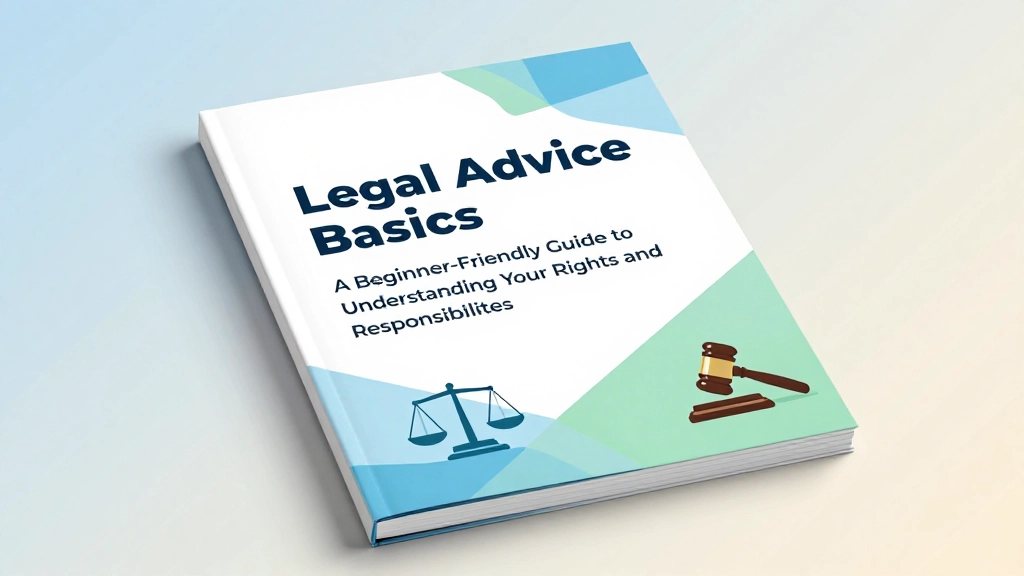
Legal matters can feel complex and intimidating, especially if you have never dealt with contracts, disputes, or legal procedures before. Understanding legal advice basics helps you make informed decisions, protect your rights, and avoid costly mistakes. Whether you are signing an agreement, starting a business, dealing with property issues, or handling personal disputes, having a basic understanding of the legal system can make a significant difference.
This guide explains the essential foundations of legal advice in simple language. You will learn what legal advice means, when to seek a lawyer, how laws affect everyday life, and practical steps to stay legally protected.
What Is Legal Advice?
Legal advice refers to professional guidance provided by a qualified attorney or legal professional regarding your specific situation. It involves interpreting laws, explaining legal consequences, and recommending the best course of action based on facts and applicable regulations.
Legal advice is different from general legal information. While legal information explains rules and procedures, legal advice applies those rules directly to your case.
Key Characteristics of Legal Advice
- Based on real facts of a situation
- Provided by a licensed legal professional
- Includes recommendations or strategies
- Focuses on legal rights and obligations
- Helps reduce legal risks and liabilities
For example, reading about employment law online is legal information. Asking a lawyer whether your employer violated a labor contract is legal advice.
Why Legal Advice Is Important in Everyday Life
Many people assume legal advice is only needed for court cases, but laws affect daily activities such as renting a home, purchasing goods, writing a will, or running an online business.
Understanding legal principles helps you:
- Avoid disputes and penalties
- Draft clear agreements and contracts
- Protect personal and financial interests
- Understand consumer protection rights
- Navigate legal documentation with confidence
Even simple legal awareness can prevent misunderstandings that lead to expensive litigation.
Common Situations Where Legal Advice Is Needed
Legal advice becomes important whenever rights, responsibilities, or financial consequences are involved.
1. Contracts and Agreements
Contracts appear in employment offers, freelance work, property sales, and service agreements. A lawyer ensures the contract includes fair terms, clear obligations, and enforceable clauses.
2. Family Matters
Legal professionals often help with marriage registration, divorce procedures, child custody arrangements, and inheritance planning.
3. Property and Real Estate Issues
Buying or selling property requires title verification, transfer documentation, and compliance with property laws.
4. Business and Commercial Law
Entrepreneurs frequently need legal support for business registration, partnership agreements, intellectual property protection, and regulatory compliance.
5. Criminal or Civil Disputes
If a person faces allegations or conflicts involving damages or rights violations, legal representation becomes essential.
Understanding the Difference Between Civil Law and Criminal Law
Legal systems generally divide cases into civil and criminal categories.
| Type of Law | Purpose | Examples | Possible Outcome |
|---|---|---|---|
| Civil Law | Resolves disputes between individuals or organizations | Contracts, property disputes, family cases | Compensation or court orders |
| Criminal Law | Addresses offenses against the state or society | Theft, fraud, assault | Fines, penalties, or imprisonment |
Knowing the difference helps individuals understand legal procedures and potential consequences.
When Should You Consult a Lawyer?
Many people delay seeking legal consultation until problems become serious. However, early legal guidance often prevents disputes from escalating.
Consider consulting a lawyer when:
- Signing long-term contracts
- Starting a business or partnership
- Facing legal notices or court documents
- Handling large financial transactions
- Planning estate distribution or writing a will
Early consultation improves legal strategy and reduces risk exposure.
How Lawyers Provide Legal Advice
Legal professionals follow a structured process when advising clients.
Case Evaluation
The lawyer reviews documents, facts, and evidence to understand the situation.
Legal Research
Attorneys analyze statutes, precedents, and regulations relevant to the issue.
Risk Assessment
They identify possible legal outcomes and liabilities.
Strategy Development
Lawyers recommend solutions such as negotiation, mediation, settlement, or litigation.
Understanding Legal Documents and Contracts
Legal documents often contain technical terminology that can be difficult to interpret. Understanding key elements helps individuals avoid confusion.
Important Contract Elements
- Offer and acceptance
- Consideration (value exchange)
- Legal capacity of parties
- Lawful purpose
- Written and signed agreement
Before signing any legal document, review clauses related to payment terms, dispute resolution, termination conditions, and obligations.
Legal Rights Everyone Should Know
Basic legal awareness includes understanding fundamental rights that apply in most legal systems.
Consumer Rights
Consumers have protection against fraud, defective products, and unfair trade practices.
Employment Rights
Workers are entitled to wages, safe working conditions, and protection against discrimination.
Property Rights
Individuals have the right to own, transfer, and protect their property under legal procedures.
Privacy Rights
Personal data protection and digital privacy are increasingly important in modern legal frameworks.
Alternative Dispute Resolution (ADR)
Not all legal conflicts require court proceedings. Alternative dispute resolution methods help resolve conflicts faster and at lower cost.
Common ADR Methods
- Mediation
- Arbitration
- Negotiation
ADR reduces legal expenses and encourages cooperative solutions.
Cost of Legal Advice and Legal Fees
Legal services vary depending on case complexity and lawyer experience.
Common Fee Structures
| Fee Type | Description |
|---|---|
| Hourly Fee | Payment based on time spent |
| Fixed Fee | Pre-determined cost for specific services |
| Contingency Fee | Payment only if the case is successful |
| Retainer Fee | Advance payment for ongoing legal support |
Discussing legal costs beforehand ensures transparency and prevents misunderstandings.
Tips for Choosing the Right Lawyer
Selecting the right legal professional improves the quality of advice and case outcomes.
- Check professional qualifications and licensing
- Look for experience in the relevant legal area
- Read client reviews and testimonials
- Ask about communication methods and availability
- Understand fee structure clearly
A lawyer who communicates clearly and understands your situation can simplify complex legal processes.
Common Legal Mistakes to Avoid
Many legal problems arise due to small but critical mistakes.
- Signing documents without reading carefully
- Ignoring legal notices or deadlines
- Relying only on online templates for contracts
- Failing to keep written records of agreements
- Delaying legal consultation during disputes
Avoiding these mistakes helps protect legal rights and reduces future complications.
The Role of Legal Awareness in Modern Society
In today’s digital and interconnected world, legal awareness is more important than ever. Online transactions, digital contracts, intellectual property concerns, and data protection laws affect individuals and businesses daily.
Understanding legal fundamentals encourages responsible decision-making and strengthens compliance with regulations.
Legal literacy also empowers individuals to recognize unfair practices and seek proper legal remedies.
Final Thoughts on Legal Advice Basics
Legal advice basics are not only for lawyers or court cases—they are essential for everyone. From signing agreements to protecting personal rights, understanding legal processes helps individuals make safer and smarter decisions.
While general legal knowledge is helpful, professional legal advice becomes necessary whenever a situation involves financial risk, legal liability, or dispute resolution.
Building basic legal awareness today can prevent major legal challenges tomorrow.

Evan Carter is the writer behind meaning.com, bringing clarity to the confusing world of slang, acronyms, and emojis. He transforms modern language into simple, fun, and easy-to-understand explanations for curious readers everywhere.