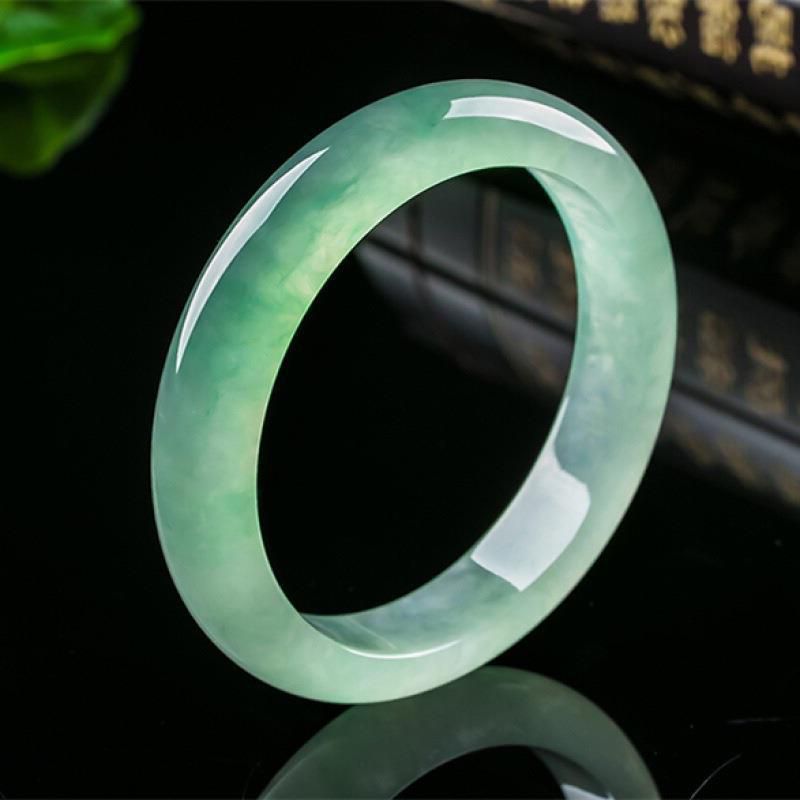
Buying jade online is not the same as buying ordinary fashion jewelry. Jade carries cultural meaning, personal symbolism, and real material value, so buyers need more than attractive product photos before they feel confident. If you are considering BMjade jade jewelry, it is worth looking at the brand from three practical angles: natural jadeite quality, craftsmanship, and buyer protection.
Jade can be confusing for many online shoppers. Some sellers use broad words like “jade,” “green stone,” or “natural gemstone” without clearly explaining what the material is. Others may show beautiful photos but give little information about treatment status, certification, return terms, or authenticity support. For serious buyers, these details matter.
A good jade jewelry brand should help customers understand what they are buying before they place an order. It should explain the stone, show realistic product details, provide proof, and offer reasonable protection after delivery. This review looks at how a specialized jade jewelry seller can build confidence for buyers who want meaningful, natural jadeite pieces.
A Clear Focus on Natural Type A Jadeite
One of the strongest points of the brand is its focus on Type A jadeite. In the jadeite market, Type A means natural jadeite that has not been chemically bleached, polymer-filled, or dyed. It may be polished or waxed as part of traditional finishing, but the jadeite itself remains untreated.
This distinction is important because treated jadeite can still look attractive in photos. Type B jadeite is chemically treated and filled with resin or polymer. Type C jadeite is dyed. Type B+C jadeite has both filling and dyeing. These treated stones may appear vivid or clean, but they do not carry the same long-term buyer confidence as untreated jadeite.
For buyers who want jade for daily wear, gifting, cultural meaning, or personal symbolism, treatment status matters. A jade bracelet or pendant is often more than decoration. It may represent protection, peace, prosperity, family connection, or a milestone in life. When a buyer chooses natural untreated jadeite, the emotional value of the piece feels more secure.
A brand that clearly explains Type A jadeite gives customers a better foundation for decision-making. It reduces uncertainty and helps shoppers avoid one of the biggest risks in jade buying: paying natural jadeite prices for treated material.
Certification as a Trust Signal
Certification is one of the most important parts of online jade shopping. Jade is not always easy to judge by appearance. A green stone may look convincing, but photos cannot reliably show treatment status or authenticity. Simple home tests such as cold touch, sound, weight, or flashlight inspection are not enough for serious buying decisions.
This is why independent certification matters. A certificate helps verify material identity and treatment status, depending on the testing result. For online buyers, this gives more confidence than relying only on product descriptions.
The brand’s use of NGTC certification is a meaningful trust signal. NGTC is widely recognized in the Chinese and Asian jade market, where jadeite is actively bought, sold, tested, and valued. A certificate with a traceable number helps buyers understand that the product has gone through a formal testing process.
A certificate does not replace personal preference. Buyers still need to choose a piece they like in terms of color, design, size, and budget. However, certification helps answer a more basic question: is the material being represented honestly?
For first-time buyers, this can be especially valuable. Jade terminology can feel complicated, and certification helps make the purchase less dependent on guesswork.
Craftsmanship and the Yunnan Workshop Connection
Jade jewelry is not only about the stone itself. Craftsmanship affects how the finished piece looks, feels, and wears. A pendant needs clean carving lines. A bracelet should feel smooth on the skin. A ring needs a secure setting. Earrings should be comfortable and balanced.
The brand connects its jade work with Yunnan craftsmanship, which is meaningful because Yunnan has long been connected to the jadeite trade between Myanmar and China. A good jade piece requires skill at each stage: selecting rough material, cutting, shaping, polishing, carving, setting, and final inspection.
Good craftsmanship is visible in small details:
- Smooth polish
- Balanced proportions
- Comfortable edges
- Secure settings
- Clean carving lines
- Thoughtful jewelry design
- Wearable size and weight
- Durable cords, chains, or metal components
These details matter because jade is often worn close to the body. A bracelet may be worn daily. A pendant may sit near the heart. A ring may be touched and noticed throughout the day. If the craftsmanship is poor, even a beautiful stone can feel disappointing.
A specialized jade brand has an advantage over general jewelry sellers because it understands both the material and how people wear it. This makes the final product feel more intentional.
Product Categories for Different Buyers
Another useful part of the shopping experience is the clear division of product categories. Jade buyers often have different needs depending on whether they are shopping for themselves, a gift, daily wear, or a symbolic piece.
Jade bracelets and bangles are traditional and personal. They are often associated with protection, balance, and long-term wear. However, sizing is important, especially for solid bangles that do not stretch.
Jade necklaces and pendants are more flexible gift choices. They do not require exact wrist or finger sizing and can carry strong symbolic meaning through designs such as Buddha, Guan Yin, Pixiu, leaf, dragon, phoenix, or safety buckle.
Jade earrings can be elegant and practical. They are usually easier to wear with everyday outfits and can be a good choice for buyers who want something subtle.
Jade rings feel personal and expressive. Adjustable designs can reduce sizing risk, while fixed-size rings require more careful measurement.
This category structure helps buyers choose based on lifestyle rather than only appearance. A customer buying for a mother, partner, friend, or personal milestone can select a piece that matches the occasion more easily.
Natural Variation Makes Each Piece Unique
One thing buyers should understand before purchasing jade is that natural jade is not perfectly uniform. Color, texture, translucency, and internal structure can vary from piece to piece. These variations are part of the character of natural stone.
A bracelet may show different shades in different areas. A pendant may have cloudy patterns or subtle internal textures. A lavender or icy piece may look softer in indoor light and brighter in natural light. A green jade piece may appear warmer or cooler depending on screen display.
This is why realistic photos and detailed descriptions are important. A trustworthy jade seller should not make every product look artificially perfect. Instead, it should help buyers understand the real appearance of the piece.
Natural variation is especially important for gift buyers. If someone expects a perfectly identical stone to a product photo, they may misunderstand how jade works. A good product page should make clear that each piece has individual character.
For many jade lovers, this uniqueness is part of the appeal. The piece feels personal because no two natural jade stones are exactly the same.
Buyer Confidence Through Return Protection
Even with good photos and clear descriptions, online jewelry shopping still involves some uncertainty. A bracelet may not fit as expected. A pendant may feel larger or smaller in person. Color may appear slightly different under real lighting. A gift recipient may prefer another style.
This is why return protection matters. A 30-day return guarantee helps reduce buyer hesitation because customers know they have time to review the piece after delivery. For jade jewelry, this is especially important because sizing, color preference, and personal feeling all matter.
A clear return policy is also a sign of customer-centered service. It shows that the seller understands online shopping concerns and is willing to support buyers after checkout.
Before ordering any jade piece, buyers should always review:
- Return window
- Item condition requirements
- Packaging requirements
- Certificate return requirements
- Refund process
- Shipping responsibility
- Exclusions, if any
A return policy does not make the jade more authentic, but it makes the online buying experience safer and more practical.
Lifetime Authenticity Guarantee
An authenticity guarantee is different from a return policy. A return policy helps with satisfaction, fit, or style. An authenticity guarantee supports the seller’s core claim about the material.
For jade jewelry, this is a major trust factor. Buyers want to know that the piece is truly what the product page says it is. If a brand promises a full refund if an accredited lab ever shows a piece is not Type A as claimed, that creates stronger accountability.
This kind of promise matters because jade authenticity concerns can extend beyond the first few days after delivery. Some buyers may later decide to verify a piece independently. A lifetime authenticity guarantee shows confidence in the brand’s sourcing, certification, and product standards.
For serious buyers, this type of commitment can be more important than a discount. Jade is often bought for meaning and long-term wear, so confidence should last beyond the checkout process.
Free Shipping and Practical Buying Value
Shipping is not the main reason to choose a jade brand, but it affects the overall purchase experience. Free worldwide shipping over a reasonable order amount can make the buying process easier, especially for international customers.
Jade jewelry is often purchased as a gift, so buyers also care about tracking, delivery time, packaging, and whether the product arrives safely. A smooth shipping experience supports the emotional side of the purchase because the item may be intended for a special occasion.
Practical value is not only about price. It also includes convenience, clarity, and support. A piece that comes with certification, thoughtful packaging, buyer protection, and shipping support can feel more complete than a cheaper listing with little information.
Educational Content Helps New Buyers
Another sign of a serious jade jewelry brand is buyer education. Jade can be difficult to understand at first. Many shoppers need help with topics such as jadeite vs nephrite, Type A jadeite, jade colors, certificate verification, bracelet sizing, care, and symbolic meanings.
Educational content helps buyers make better decisions. It reduces confusion and builds trust over time. A brand that explains jade clearly is usually thinking beyond one-time sales.
Helpful jade education may include:
- What Type A jadeite means
- How to verify a jade certificate
- Why home tests are limited
- How jade colors differ
- How to choose bracelet size
- How to clean and store jade
- What jade symbols mean
- How to choose jade as a gift
For first-time buyers, this guidance can make the difference between hesitation and confidence. It also helps customers choose pieces that match their budget, style, and purpose.
Who Is This Brand Best For?
This jade jewelry store is likely a good fit for buyers who care about authenticity, transparency, and meaningful design. It may be especially suitable for:
- First-time jade buyers who want certificate-backed confidence
- Gift buyers looking for meaningful jewelry
- Customers who prefer natural untreated jadeite
- Buyers who want clear product categories
- People shopping for bracelets, necklaces, earrings, or rings
- Customers who value return protection
- Buyers who want a long-term authenticity promise
It may not be the best fit for shoppers who only want the cheapest jade-like accessory or who do not care about certification. If someone is simply looking for a low-cost green stone fashion item, a specialized certified jade brand may not be necessary.
But for buyers who want natural jadeite, documentation, and a more transparent purchase experience, the brand’s positioning makes sense.
What Buyers Should Still Check Before Ordering
Even with a trustworthy brand, buyers should still review each product carefully. Jade is natural, and each piece is different. A careful buyer should check the product page before placing an order.
Important details include:
- Jade type
- Treatment status
- Certificate information
- Product measurements
- Color and texture photos
- Metal or cord material
- Bracelet or ring sizing
- Return policy
- Authenticity guarantee
- Shipping details
This is especially important for bangles and rings because sizing affects wearability. For gifts, pendants, earrings, and adjustable designs may be easier choices.
A good brand can provide information, but the buyer still needs to choose the piece that best fits their purpose.
Final Review
Overall, this brand offers a strong buying experience for people who want natural jadeite jewelry with more transparency than a typical online listing. Its strengths are clear: a focus on Type A jadeite, NGTC certificate support, Yunnan craftsmanship, product education, free shipping over $40, a 30-day return guarantee, and a lifetime authenticity promise.
The main advantage is buyer confidence. Jade can be difficult to evaluate online, so proof and protection matter. A seller that provides certification, clear product details, realistic expectations, and after-sale support gives customers a better foundation for making a meaningful purchase.
For shoppers who value authenticity, craftsmanship, and long-term trust, BMjade is a brand worth considering.

