It starts subtly — a dull ache at the base of your skull after a long day at your desk, or a stubborn stiffness that makes checking your blind spot feel like a chore. For millions of people, chronic neck pain isn’t just a physical inconvenience; it chips away at focus, disrupts sleep, and turns ordinary tasks into exhausting ordeals. Over-the-counter painkillers offer temporary relief, while more invasive treatments come with risks and recovery time that many simply can’t afford.
What if your body could be encouraged to heal itself using nothing more than light? Red light therapy is gaining serious attention as a non-invasive, drug-free approach to managing pain and supporting cellular repair. By delivering specific wavelengths of light deep into tissues, this technology works with your body’s natural biology rather than masking symptoms. Originally used in clinical settings, it’s now accessible through at-home devices — from panels and wraps to specialized options like YouLumi’s red light therapy masks — designed for targeted relief. This article breaks down the science of how red light therapy relieves neck pain, explores its additional benefits for skin health, and walks you through exactly how to use a red light therapy device safely and effectively for lasting results.
Understanding Red Light Therapy: A Natural Healing Device
Red light therapy (RLT) is a non-invasive treatment that uses specific wavelengths of visible red and near-infrared (NIR) light — typically between 630nm and 850nm — to penetrate skin and underlying tissues. Unlike ultraviolet light, which can damage cells, these wavelengths interact with biological tissue in a beneficial way, making them safe for regular therapeutic use. Modern devices deliver this light through high-powered LEDs, replacing the bulky and expensive laser equipment once confined to clinical environments.
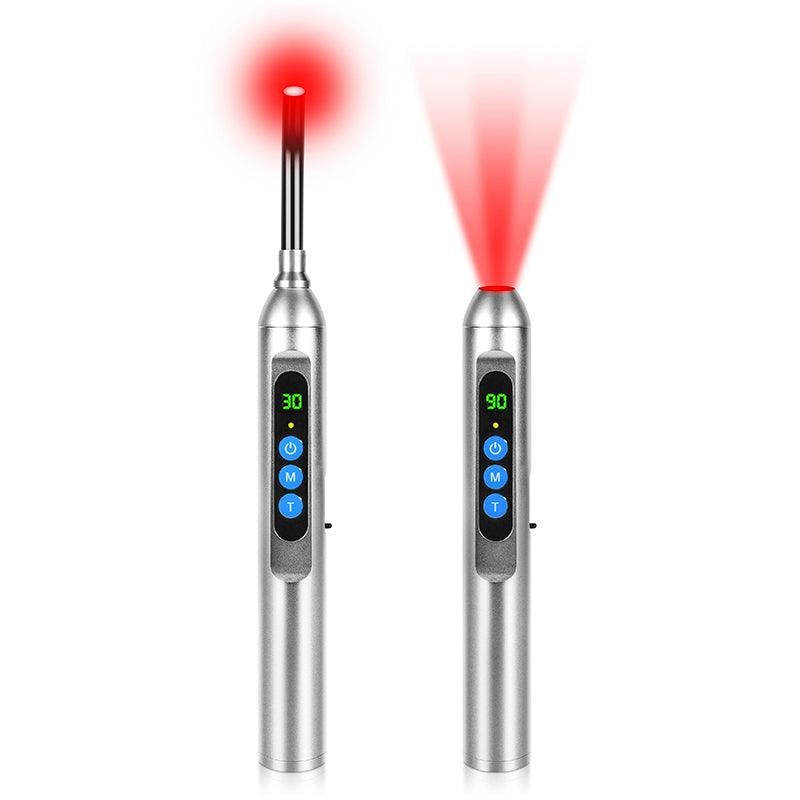
It’s worth distinguishing red light therapy from other light-based treatments. Photodynamic therapy uses light to activate chemical agents for targeting cancer cells, while UV-based therapies address specific skin conditions through a different mechanism entirely. Red light therapy stands apart because it works entirely through photobiomodulation — a process where light energy is absorbed directly by cells to trigger natural biological responses, with no heat damage or chemical involvement.
The core principle is straightforward: light photons are absorbed by chromophores within cells, particularly in the mitochondria. This absorption initiates a cascade of cellular activity that supports repair, reduces oxidative stress, and improves circulation. Once limited to hospitals and sports medicine clinics, red light therapy is now widely used for everything from post-surgical recovery to everyday pain management, making it one of the most versatile wellness technologies available today.
The Science Behind Red Light Therapy for Pain Relief
Mechanism of Action: Boosting Cellular Energy and Reducing Inflammation
At the heart of red light therapy’s pain-relieving power is a process that begins inside your cells. When red and near-infrared light penetrates the skin — red wavelengths reaching superficial tissue layers, NIR wavelengths going deeper into muscles and joints — they are absorbed by cytochrome c oxidase, a light-sensitive enzyme within the mitochondria. This absorption kicks mitochondria into higher gear, accelerating the production of adenosine triphosphate (ATP), the molecule your cells use as fuel. With more energy available, damaged or stressed cells can repair themselves more efficiently, restoring normal function in tissues that were previously starved of the resources needed to heal.
The anti-inflammatory effects follow naturally from this cellular activation. Red light therapy has been shown to suppress pro-inflammatory cytokines — signaling proteins like TNF-α and interleukin-6 that sustain the pain cycle in chronic conditions — while simultaneously promoting vasodilation. Improved blood flow to the neck region means more oxygen and nutrients reach inflamed muscles and connective tissue, while metabolic waste products are cleared away more quickly. The result is a measurable reduction in localized inflammation without the side effects associated with anti-inflammatory medications.
Evidence and Research: Supporting Neck Pain Alleviation
The clinical evidence supporting red light therapy for neck pain has grown considerably over the past two decades. A systematic review published in The Lancet found that low-level laser therapy — which operates on the same photobiomodulation principles as LED-based red light devices — produced significant short-term pain relief and functional improvement in patients with chronic neck pain compared to placebo. Separate research in musculoskeletal medicine has demonstrated that NIR wavelengths around 830nm are particularly effective at reducing pain and disability scores in patients with cervical disorders. Studies focused on joint pain more broadly also report reduced stiffness and improved range of motion following consistent treatment sessions. While research is ongoing, the current body of evidence positions red light therapy as a credible, evidence-based intervention rather than a wellness trend, especially for individuals dealing with the chronic, low-grade inflammation that drives most neck pain.
Beyond Neck Pain: Red Light Therapy Benefits for Skin Conditions
Pain relief may be the headline benefit, but red light therapy’s influence on skin health is equally well-documented — and for many users, it becomes an unexpected bonus of consistent treatment. The same wavelengths that penetrate deep into muscle tissue also interact powerfully with skin cells, triggering biological processes that go well beyond surface-level care.
One of the most significant skin benefits is collagen stimulation. Red light at 630–660nm activates fibroblasts — the cells responsible for producing collagen and elastin — resulting in firmer, more elastic skin over time. This makes it a popular option for addressing fine lines, uneven texture, and the general loss of skin density that comes with aging. For those dealing with acne, red light therapy works on two fronts: reducing the inflammation that makes breakouts painful and visible, while also calming the sebaceous gland activity that contributes to clogged pores. Additionally, its ability to accelerate cellular turnover supports faster healing of wounds, surgical scars, and conditions like psoriasis or rosacea, where the skin’s repair cycle is disrupted.
For health-conscious individuals already using red light therapy for neck pain, these skin benefits come without any additional effort. Treating the neck and upper chest area naturally exposes skin to therapeutic light, meaning you’re supporting tissue repair at multiple levels simultaneously — a compelling reason to view this technology as a whole-body wellness tool rather than a single-purpose device.
Practical Guide: Using a Red Light Therapy Device for Neck Pain
Step-by-Step Treatment Protocol for Neck Pain Relief
Getting consistent results from red light therapy comes down to technique and routine. Start by selecting the appropriate device settings: for neck pain involving deep muscle tension or joint inflammation, prioritize near-infrared wavelengths in the 810–850nm range, which penetrate further into tissue. If your device offers dual wavelengths combining red (630–660nm) and NIR, use both — the red wavelengths address surface inflammation while NIR reaches the cervical joints and muscles underneath.
Position the device 1–6 inches from your neck, following the manufacturer’s recommended distance. Aim it directly at the area of greatest discomfort — commonly the base of the skull, the sides of the cervical spine, or the trapezius muscles running toward the shoulders. A typical session lasts 10–20 minutes per target area. For chronic neck pain, start with five sessions per week for the first two weeks, then reduce to three to four sessions weekly as symptoms improve. Keep a simple log noting pain levels before and after each session; this helps you identify which settings and durations produce the best response and keeps you motivated when progress feels gradual.
Safety, Precautions, and Maximizing Results
Red light therapy has a strong safety profile, but a few precautions matter. Always wear the protective goggles that come with your device — even though red and NIR light aren’t UV, prolonged direct eye exposure is not recommended. Avoid applying the device to broken skin or active infections, and if you’re pregnant, taking photosensitizing medications, or managing a thyroid condition near the neck, consult your doctor first.
To amplify the therapy’s effects, pair sessions with targeted neck stretches immediately afterward, when increased circulation makes tissues more pliable. Addressing posture habits — particularly forward head positioning during screen use — prevents re-aggravating the structures you’re working to heal. Staying well-hydrated also supports the cellular processes red light therapy activates, helping your body clear inflammatory byproducts more effectively between sessions.
Choosing the Right Red Light Therapy Device for Your Needs
Not all devices deliver equal results. For neck pain, prioritize a device that offers near-infrared wavelengths in the 810–850nm range for deep tissue penetration, ideally combined with red wavelengths around 630–660nm for surface-level inflammation. Look for adequate power output — irradiance levels sufficient to reach deeper cervical structures — and a form factor designed for targeted application, such as a flexible wrap, handheld panel, or a contoured mask-style device like those from YouLumi, which are built to deliver consistent light coverage across defined treatment areas. FDA clearance signals that the device has met safety standards worth trusting. Reading verified user reviews from people with similar conditions provides real-world insight that specifications alone can’t offer.
Red Light Therapy: A Sustainable Solution for Neck Pain
Red light therapy offers something genuinely different in the crowded landscape of pain management: a mechanism grounded in cellular biology rather than symptom suppression. By stimulating mitochondrial ATP production, reducing pro-inflammatory cytokines, and improving circulation to damaged tissue, it addresses the underlying drivers of chronic neck pain rather than temporarily masking them. The added benefit of collagen stimulation, acne reduction, and accelerated skin healing makes it a uniquely versatile tool for anyone invested in long-term wellness.
The practical side is equally encouraging. With the right device — prioritizing dual red and near-infrared wavelengths, adequate irradiance, and a form factor suited to the neck — consistent sessions of 10–20 minutes can produce meaningful, cumulative improvement. Pairing treatment with simple habits like post-session stretching and posture awareness strengthens the results further.
If you’ve been cycling through temporary fixes for neck pain, this is a worthwhile shift in approach. Start with realistic expectations, track your progress honestly, and give your body the time it needs to respond. Red light therapy won’t replace medical care for serious conditions, but as a daily, evidence-backed tool for recovery and resilience, it’s one of the most accessible options available. The light is there — it’s simply a matter of using it wisely.

