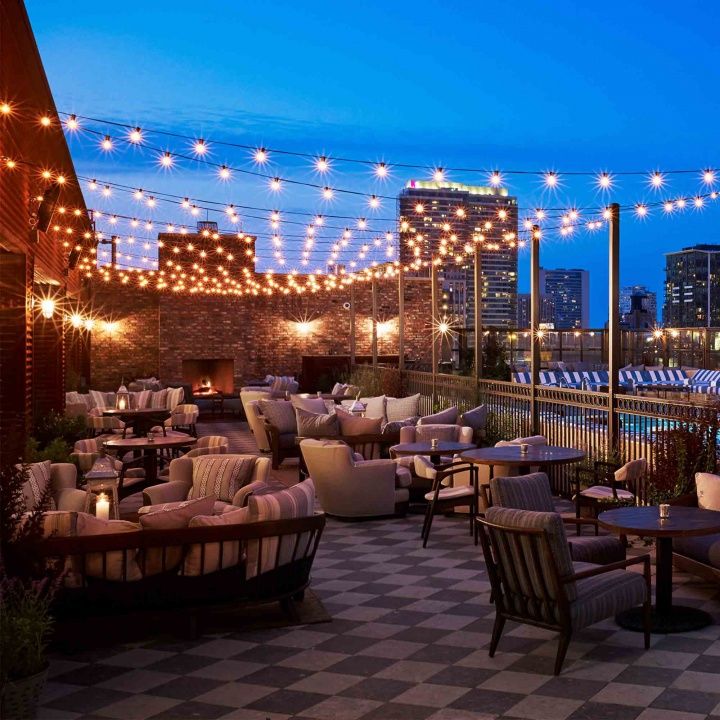
A restaurant yard can sit unused for most of the year, then become the best seat in the house when warm weather arrives. The difference is not luck. A working beer garden needs planning, flow, shade, strong service, simple food, and a reason for guests to return next week.
A beer garden is not just a few tables outside. It is a separate rhythm inside the same business. People sit longer. They order differently. They bring friends, dogs, children, dates, and sometimes no clear plan at all. They want cold drinks, easy food, fresh air, and a place that feels less formal than the dining room.
The best seasonal yards do not feel overbuilt. They feel relaxed, but every part has a purpose. The entrance is clear. The staff route is short. The lighting is warm. The beer list is easy to understand. The chairs do not wobble. The trash bins do not sit beside the best table. The music does not punish the neighbors. These details decide whether the yard becomes a profit center or a weekly headache.
Turning your restaurant yard into a beer garden starts with one question: what can this space honestly become by summer? Not in a dream renovation. Not with unlimited money. With the space, staff, storage, kitchen, permits, and budget you actually have.
Start With the Yard You Already Have
A good beer garden begins with a slow walk through the yard before you buy anything. Measure the real usable space, not the total outdoor area. A yard may look large until you subtract the delivery path, back door, drainage slope, fire exit, trash zone, uneven ground, and the corner that turns into a wind tunnel every evening.
A practical layout starts with the floor. Concrete, pavers, gravel, decking, grass, and compacted dirt all behave differently under foot traffic. Grass looks relaxed at the start of the season, but it can turn muddy after rain and patchy after a few busy weekends. Gravel drains well, but thin chair legs sink into it. Decking feels warm, but it needs grip, maintenance, and proper weight support. Concrete is easy to clean, but it can look cold without planters, rugs, benches, or lighting.
Sun and shade matter as much as size. A yard that feels perfect at 10 a.m. may become unusable at 3 p.m. if guests sit under direct sun with hot metal tables. Visit the space at lunch, late afternoon, and evening. Watch where the sun hits. Notice where the wind moves napkins and menus. Find the spots where staff naturally walk. Check whether smells from bins, kitchen vents, or nearby alleys drift into seating areas.
Noise also shapes the garden. Outdoor sound travels in ways indoor sound does not. A speaker that sounds quiet near the bar may irritate neighbors across the street. A small group laughing near a wall may echo into apartments above. Before planning live music or evening events, stand at the edges of the property and listen. A beer garden should create energy, not complaints that shut it down in July.
The first design decision is not furniture. It is identity. Some yards should become casual beer halls with long benches and shared tables. Some should become quiet garden patios with plants, wine, cider, and light snacks. Some should target sports fans with screens and group seating. Others should serve families in the early evening, then shift to adults later. A yard without a clear identity becomes a storage area with customers in it.
The best concept usually comes from your existing restaurant, not from copying another venue. A Mexican restaurant might build the yard around micheladas, grilled corn, tacos, and bright painted planters. A barbecue spot might add picnic tables, smoked wings, and pitchers. A seafood restaurant might use pale wood, crisp lagers, oysters, and shade sails. A neighborhood café might become a mellow early-evening beer garden with small plates and local cans.
A realistic concept protects the budget. Owners often waste money by buying decorations before solving the basics. A beer garden needs safe flooring, clear lighting, weather-resistant seating, storage, pest control, and service stations before it needs murals or custom signs. Style helps, but operations keep the garden open.
Capacity should be calculated carefully. More seats do not always mean more revenue. If the kitchen cannot handle extra orders, guests wait too long. If two servers must cross the entire yard for every beer, service slows. If outdoor guests crowd the indoor toilets, indoor diners suffer too. Add seats according to what the team can serve well on a busy Friday night.
A small yard can still work if it has a clear plan. Ten strong tables with quick service can beat thirty cramped seats that frustrate staff. A narrow side yard can become a standing beer lane with counters and stools. A back patio can become a reservation-only dinner garden. A courtyard can become a shared-table beer hall. The shape of the yard should guide the idea.
The first planning stage should end with a simple map. Mark the entrance, bar route, kitchen route, staff station, seating zones, shade, lighting, bins, heaters, umbrellas, and any future event space. This rough map will save money because every purchase must answer a real need.
Build the Garden Around Movement
A beer garden fails quickly when movement feels awkward. Guests should know where to enter, where to wait, where to order, and where to sit. Staff should move between the kitchen, bar, tables, and clearing station without dodging chairs every few steps.
The entrance sets the tone. If guests must walk past bins, stacked crates, or staff smoking areas, the space feels like an afterthought. Use planters, signs, lighting, or a simple host stand to mark the transition from restaurant to garden. The moment should feel intentional, even if the budget is modest.
The path from the door to the main seating area should stay open. Outdoor guests move more than indoor guests. They stand to greet friends, check beer boards, take calls, look at plants, move chairs, and follow children. A narrow layout that works on paper may feel chaotic once people start shifting around.
Server routes deserve special attention. Carry a tray from the bar to the farthest table during planning. Notice where you turn your body. Notice where chairs block the path. Notice if steps, gravel, slopes, or door thresholds create risk. A beautiful garden with poor staff flow becomes exhausting by the second week.
The outdoor bar, if you add one, should reduce walking rather than create a second bottleneck. A full bar may not be needed. A beer station with taps, cans, glassware, water, napkins, and a small POS can speed up service. The station should sit where staff can reach it easily, but it should not block guest movement.
Table placement should create zones. Couples may prefer edges, corners, and plant-lined spots. Groups often want central tables where they can talk loudly without feeling watched. Families need space for strollers and easier access to restrooms. Standing drinkers like rails, barrels, ledges, and counters. A strong beer garden gives each type of guest a natural place to land.
Long communal tables can work well for beer gardens because they create energy and save space. They also need management. Some guests love shared seating. Others hate it. Use a mix of long tables, smaller tables, and standing counters if the yard allows it. This mix helps the space serve different crowds during the day.
Do not place every table at the same angle. Slight shifts can make the garden feel less rigid. Keep service paths straight, but let seating zones feel relaxed. Planters, low fences, benches, and lighting can break the yard into smaller areas without making it feel cramped.
The worst table should not exist. Every outdoor space has a bad spot beside a service door, under a drip line, near a speaker, next to the bins, or in direct afternoon sun. Owners often keep that table because they want more seats. Guests remember it for the wrong reason. Use weak spots for plants, storage benches, server stations, or decorative barrels instead.
A clearing station can save the team during busy nights. Place it away from prime seats, but close enough for servers to use quickly. Stock it with trays, cloths, spray, menus, cutlery, water jugs, and backup glassware. Outdoor service creates more mess than indoor service because wind, bugs, spilled beer, and shared plates add work.
The payment flow should be clear before opening day. Decide whether guests order at the table, at the bar, through QR codes, or through a hybrid system. Each model has tradeoffs. Table service feels warmer but needs more staff. Bar ordering lowers labor but can create lines. QR ordering speeds repeat rounds but may feel cold if staff disappear. Choose the model that matches your concept and team size.
A warm-season beer garden should be easy to reset. Tables will move. Chairs will drag. Umbrellas will shift. Kids will drop food. Rain will interrupt service. Staff should be able to restore order quickly without asking a manager where everything belongs. A simple layout beats a delicate layout every time.
Make It Feel Seasonal, Not Temporary
A beer garden should feel like it belongs to the restaurant, even if it only opens for a few months. Guests can tell the difference between a planned space and a yard filled with leftover furniture.
Start with durable materials. Outdoor furniture must handle sun, moisture, beer spills, sauce, cleaning chemicals, and constant movement. Cheap indoor chairs may survive one weekend, then start wobbling. Soft cushions look inviting, but they need storage, cleaning, and weather protection. Heavy benches last longer, but staff may struggle to move them.
Wood brings warmth, but it needs care. Metal lasts, but it can heat up in the sun. Plastic is easy to clean, but poor-quality pieces make the garden feel temporary. Mixed materials often work best. Use sturdy tables, stackable chairs, benches along walls, and a few standing counters for casual drinkers.
Buying decisions should match the season plan. A restaurant testing outdoor service for the first time may search for restaurant tables for sale, compare used options, and invest more in shade and lighting than decorative pieces. A restaurant planning to run the garden every year may justify custom benches, built-in planters, and a permanent tap station.
Shade can decide whether guests stay for one drink or a full meal. Umbrellas are the fastest option, but they need heavy bases and enough space. Shade sails cover larger areas, but they need strong anchor points and careful placement. Pergolas create structure, but they cost more and may need permits. Trees are beautiful, but they drop leaves, pollen, fruit, sap, and insects.
Lighting should guide the mood without blinding guests. String lights are popular because they create warmth at low cost, but they must be installed cleanly. Avoid sagging wires, harsh bulbs, and random extension cords. Add task lighting near steps, service stations, payment areas, and entrances. Staff need to see spills, broken glass, and IDs.
Plants can transform a plain yard quickly. Use large planters to soften edges, hide weak views, and separate zones. Choose plants that suit the climate and the amount of sunlight. Herbs can work near dining areas if they stay healthy. Tall grasses, bamboo in containers, small trees, and climbing plants can create privacy without building walls.
Do not overload the garden with branded beer umbrellas, banners, and neon signs. Supplier items can help with budget, but too many logos make the space feel rented by a distributor. Use brand materials sparingly. Your restaurant should remain the host.
A focal point gives guests something to remember. It might be a beer board, outdoor tap wall, mural, grill station, fire bowl, old truck bed, greenhouse bar, or tree wrapped in lights. The focal point should support the concept. It should not block service or steal space from paying seats.
Photo-friendly design should feel natural. Guests may post the garden online, but a forced selfie wall can cheapen the space. Better details include warm lighting, full tables, attractive drinks, clean plants, good glassware, and food that looks easy to share. A real atmosphere photographs better than a corner built only for social media.
The garden should also feel good in daylight. Many outdoor spaces look charming at night but are tiring at lunch. Check how the furniture, flooring, walls, and planters look in full sun. Paint worn fences. Clean exterior walls. Remove broken pots. Repair uneven surfaces. Daylight exposes shortcuts.
Comfort keeps people seated. Check chair height, table stability, shade position, and spacing. Guests should be able to lean back without hitting another chair. Tables should hold beer, plates, condiments, water, and phones without feeling crowded. A beer garden may feel casual, but discomfort shortens visits.
Seasonal style can come from small details. Use chalkboards for rotating beers. Add pitchers of water with mint or citrus. Place simple flowers or herbs on tables. Use enamel trays, wooden boards, or metal baskets if they fit the food. Keep menus weatherproof. Replace damaged items quickly. Outdoor spaces age faster than indoor rooms.
Put Beer and Food at the Center
A beer garden needs a focused drinks list. Too many choices slow down ordering, confuse guests, and create storage problems. A strong seasonal list usually does more with fewer options.
Start with easy drinking styles. A crisp lager, pale ale, wheat beer, pilsner, cider, and one bolder rotating craft option can satisfy many guests. Add local beers when possible because they give staff a story to tell. Keep one or two familiar names for guests who do not follow craft beer.
Beer descriptions should use plain words. Guests do not need a lecture about yeast strains. They need to know whether the beer is light, bitter, fruity, malty, dry, strong, sour, or easy to drink. A simple board can say “cold, crisp, clean” or “citrus, hoppy, stronger.” Clear language sells more beer than technical language.
Flights work well in beer gardens because they create conversation. Offer three or four small pours with a clear theme, local lagers, summer wheat beers, IPA tasting, or staff picks. Keep the flight easy to prepare. Complicated flights can slow down service when the yard is full.
Pitchers and large-format pours can increase speed, but they need rules. They work best for groups seated at tables, not for crowded standing areas where spills and overconsumption become harder to manage. Staff should watch pacing and avoid turning the garden into a place where guests drink too quickly.
Non-beer options matter. Not everyone wants beer, even in a beer garden. Offer cider, wine, spritzes, lemonade, iced tea, sparkling water, low-alcohol beer, and one or two mocktails. These choices help mixed groups stay longer because no one feels left out.
Food should match outdoor behavior. Guests often want items they can share, hold, or eat without formal dining. Pretzels, sausages, fries, wings, sliders, skewers, tacos, flatbreads, grilled vegetables, and dips all work when executed well. Keep the menu short enough for the kitchen to handle during rush periods.
The outdoor menu should not copy the full indoor menu. Heavy plated dishes can slow service and create more returns if they arrive cold. Delicate garnishes suffer in the wind. Large ceramic plates increase breakage. A beer garden menu should travel well from kitchen to yard.
Pairings can be simple. A wheat beer with grilled chicken. A lager with fries. A pale ale with spicy wings. A dark beer with smoked meat. Staff should learn a few easy suggestions. Guests like guidance when it feels casual, not scripted.
Speed matters more outside. A guest waiting fifteen minutes for a beer indoors may tolerate it if they have bread, air conditioning, and table service. Outside, heat and noise make delays feel longer. Set up the bar and kitchen for the items you expect to sell most. Pre-batch where appropriate. Keep glassware stocked. Place backup kegs close enough to change fast.
Glassware deserves a decision. Real glass feels better but can break outdoors. Plastic may be required in some areas or for events, but poor-quality cups hurt the drink. Reusable hard plastic, branded cups, or simple beer glasses can all work depending on rules and risk. Choose the option before opening, not during the first broken-glass incident.
Water should be easy to get. Outdoor drinking in warm weather requires visible water access. Place water stations where staff can refill pitchers quickly, or bring water to every table at seating. This small habit reduces complaints, supports responsible service, and keeps guests comfortable.
The menu should change lightly during the season. Rotate one beer, one snack, and one special event item instead of reinventing everything every week. Guests need familiarity, but they also need a reason to check what is new.
Solve the Boring Problems Early
The dull parts of a beer garden decide how long it survives. Permits, noise, pests, toilets, weather, cleaning, insurance, and staffing may not sell the first beer, but they protect every beer after that.
Start with local rules. Outdoor alcohol service may require a permit change, patio license, fence requirement, capacity approval, or closing-hour restriction. Music may need separate permission. Signs, heaters, tents, umbrellas, and temporary structures may have rules too. Check before you spend money.
Capacity affects more than seating. More guests mean more toilet use, more trash, more glassware, more food waste, more staff movement, and more pressure on the kitchen. If the indoor restaurant already runs near its limit on weekends, the yard can expose every weak point.
Neighbors should be considered before they become angry. Tell nearby residents or businesses what you plan to do. Share hours. Keep music reasonable. Move speakers away from property lines. Train staff to handle loud groups early. One uncontrolled table can create more damage than a full month of normal service.
Pest control must start before pests arrive. Beer, sugar, meat, fruit, and food waste attract flies, wasps, ants, and rodents. Use sealed bins. Clear tables fast. Clean drains. Avoid sticky outdoor bar mats. Keep fruit covered. Empty trash before it overflows. Work with a pest control provider if the yard has a history of problems.
Weather plans should be specific. What happens if rain starts during dinner? Where do guests go? Who moves cushions? Who closes umbrellas? What food items stop? What happens to open tabs? What if the temperature drops after sunset? A vague “we’ll deal with it” plan creates panic.
Heat needs its own plan. Shade, fans, chilled water, lighter uniforms, and staff breaks matter. Guests may choose the garden because it is sunny, then leave because it is too hot. Avoid metal furniture in direct sun if it becomes uncomfortable to touch. Check seat temperatures before service.
Cold evenings also matter in shoulder months. Patio heaters, fire pits, blankets, and wind screens can extend the season, but they need storage and safety rules. Open flames require caution, staff training, and possibly permits. Heaters must not block walkways or sit too close to umbrellas, plants, or fabric.
Outdoor power should be safe. Extension cords across guest paths are a bad sign and a real hazard. Plan outlets for lighting, POS systems, speakers, fans, heaters, refrigerators, and any outdoor bar equipment. Use weather-rated equipment and proper installation.
Wi-Fi and POS coverage should be tested with a full yard in mind. A handheld payment device that works near the back door may fail beside the far fence. Test signal strength at every service zone. Offline payment problems create long waits and awkward staff conversations.
Music needs restraint. A beer garden should feel alive, but loud music often reduces conversation and increases complaints. Use more speakers at lower volume rather than one speaker blasting across the yard. Match the music to the time of day. Early evening and late night should not sound the same.
Staffing should be adjusted for outdoor behavior. Yard guests may order more rounds, ask more questions, move around more, and create more clearing work. Assign clear roles: who greets, who takes orders, who runs drinks, who clears, who watches the gate, who checks toilets, who handles weather changes.
Training should include outdoor-specific situations. Staff need to know how to refuse service politely, handle dogs, manage children running near trays, move umbrellas safely, respond to noise complaints, and clear broken glass outdoors. These are not rare events. They are normal beer garden operations.
Restrooms need attention during busy nights. Outdoor capacity can double the number of people using the same facilities. Check supplies often. Clean more frequently. Make sure outdoor guests can find the restroom without walking through service-only areas.
Security may be needed depending on size and hours. A family-friendly yard closing at 9 p.m. differs from a late-night beer garden with live music. Age checks, entrance control, crowd flow, and last-call procedures should be clear. Staff should not have to invent rules while handling a drunk guest.
Cleaning should happen throughout service, not only after closing. Outdoor tables collect dust, pollen, leaves, ash, spills, and insects. Assign someone to check the yard before guests arrive, during service, and after close. Morning cleaning is also important if wind moves trash overnight.
Storage is often forgotten. Cushions, umbrellas, heaters, signs, menus, cleaning tools, games, speakers, and spare furniture need somewhere to go. If staff must drag everything through the dining room each night, the system will fail. Build storage into the plan from the start.
Turn the Garden Into a Weekly Habit
Opening the beer garden once is not enough. The goal is to make guests think of your yard whenever the weather turns warm. That requires rhythm, not constant reinvention.
A strong launch starts softly. Invite regulars, neighbors, staff friends, or loyalty members before the public opening. Test service with real guests. Watch where people sit first. Track how long beer takes. Notice which tables feel awkward. Fix problems before the big weekend.
Marketing should show the real space. Use photos of actual tables, staff pouring beer, sunlight through the yard, food on trays, and people enjoying themselves. Avoid generic stock images. Guests want to know where they will sit, what they will drink, and whether the space feels worth leaving the house for.
Weekly rituals build repeat visits. A Thursday local brewery night, Sunday grill menu, Tuesday trivia, acoustic Friday, early family hours, sports screening, or seasonal beer flight gives people a reason to return. Keep events simple enough to run well. A messy event can hurt the garden more than no event.
Partnerships can add life without adding too much work. Invite a local brewery for a tap takeover. Work with a nearby bakery on pretzels. Bring in a small acoustic act. Host a neighborhood dog-friendly afternoon if the space allows it. Use partnerships that fit the restaurant, not random events that confuse the brand.
Discounts should be careful. Cheap beer may fill the yard once, but it can attract the wrong crowd if used too often. Better offers include a beer flight, beer and snack pairing, early evening garden menu, or limited seasonal item. Give guests value without training them to wait for discounts.
Staff should sell the garden naturally. A host can say, “The yard is open tonight, and we have the new wheat beer on tap.” A server can suggest, “That pale ale works well with the wings.” A bartender can mention, “The local lager is the one most people are starting with outside.” Small prompts matter.
The best beer gardens learn from the first month. Track which tables fill first, which stay empty, which beers sell fastest, which food slows the kitchen, and which times need more staff. Ask servers where they lose time. Ask bartenders which orders create bottlenecks. Ask guests what they noticed. Then adjust.
Refresh the space during the season. Replace tired plants. Add a new beer. Change one food special. Move a few tables if a zone feels dead. Update the chalkboard. Clean light fixtures. Wash umbrellas. A garden that looked fresh in May can look neglected by August if no one owns it.
Private events can add revenue if they do not damage regular trade. Small birthday gatherings, brewery dinners, company drinks, and neighborhood meetups can work well outdoors. Set clear rules for minimum spend, music, closing time, decorations, and weather. Do not let one event block the best revenue night unless the numbers justify it.
Sports can work if the concept supports it. A screen in a beer garden can draw crowds for major games, but it changes the mood. Decide whether sports are central, occasional, or not part of the garden at all. Screens also need glare control, sound decisions, weather protection, and licensing awareness.
Dogs can attract guests in warm weather, but they need rules. Provide water bowls, define dog-friendly areas, and train staff to handle problems. Not every dog belongs in a crowded beer garden. Make the policy clear before arguments start.
Families may become strong early-evening customers. If the yard opens before dinner, parents may appreciate outdoor seating, quick food, and space. Keep safety in mind. Avoid trip hazards, open flames near children, unstable furniture, and glass-heavy setups in family zones.
Late-night service needs a different approach. Lighting should rise slightly near close. Music should lower. Staff should stop overserving. The last call should be clear. Outdoor guests often resist leaving on warm nights, so closing procedures must be firm and polite.
A seasonal beer garden should end the season with notes. Record what worked, what broke, what sold, what guests asked for, what staff hated, and what should change next year. Take photos of the final layout. Save supplier details. List repairs before winter. Next spring will arrive faster than expected.
A restaurant yard can become more than extra seating. It can become the place where regulars bring friends, where slow weekdays gain a second life, and where the restaurant feels connected to the season. The work is not only in adding beer and benches. It is in making the yard easy to use, easy to serve, easy to maintain, and easy to remember.
A strong beer garden feels casual to guests because the owner handled the hard parts early. The paths make sense. The beer arrives cold. The food fits the table. The lights come on at the right time. The staff know the system. The plants hide the ugly wall. The neighbors are not furious. The space earns its keep.
Warm weather gives restaurants a short window. A yard that sits empty wastes that window. A yard turned into a thoughtful beer garden can change the season, one cold pour at a time.

