Most homeowners think of hard water as a small inconvenience. Maybe the dishes come out cloudy, the shower leaves spots on the glass, or soap does not lather the way it should. What many people do not realize is that hard water can slowly affect the entire plumbing system, especially the drains.
The damage builds gradually, which makes it easy to ignore. By the time water starts backing up or pipes begin struggling to drain properly, the problem has often been developing for years.
Understanding how hard water affects drains can help homeowners respond earlier and avoid larger plumbing issues later.
What Hard Water Leaves Behind
Hard water contains dissolved minerals, mainly calcium and magnesium. Every time water moves through sinks, tubs, and household pipes, tiny traces of those minerals stay behind.
At first, the buildup was extremely thin. It may not affect drainage in any noticeable way. But over time, those mineral deposits continue to collect along the inside walls of pipes.
This process is known as scaling.
As the layers become thicker, the space inside the pipe becomes smaller. Water can still pass through, but it does not move as freely as it once did.
This is often the beginning of long-term drain problems.
The First Signs Often Seem Minor
Early hard water damage rarely looks serious. Most homeowners notice subtle changes before anything major happens.
Some common early warning signs include-
- Water is draining more slowly than before.
- Gurgling sounds from sinks or tubs.
- Soap residue is building up around drains.
- Frequent minor clogs.
- Unpleasant smells from the kitchen or bathroom drains.
Because these issues develop slowly, people often adjust to them without realizing the plumbing system is changing underneath.
A sink that takes an extra few seconds to drain may not seem important at first. But inside the pipes, mineral buildup may already be restricting water flow.
Why Mineral Buildup Makes Clogs More Common
Healthy pipes have relatively smooth interior surfaces. Water and small debris move through them without much resistance.
Hard water changes that surface over time.
As mineral deposits harden, the inside of the pipe becomes rough and uneven. Hair, grease, soap residue, and food particles begin sticking to those surfaces more easily.
Once debris starts collecting, the drain becomes even narrower.
This creates a cycle where buildup attracts more buildup. Eventually, routine household use can start causing recurring drainage problems.
Kitchen sinks may clog more often. Showers may pool water around the drain. Toilets may flush less efficiently than they once did.
Many homeowners respond by using chemical drain cleaners repeatedly, hoping for a quick fix. Unfortunately, those products often do little against hardened mineral scale.
In older plumbing systems, repeated chemical use can also weaken the pipes themselves.
The Middle Stage: Drain Performance Starts Declining
As hard water buildup continues, drain performance becomes more unpredictable.
Water may drain slowly one day and appear normal the next. Bubbling sounds can become louder. Some homeowners notice water backing up briefly before clearing again.
At this stage, pressure inside sections of the plumbing system may begin shifting unevenly.
Restricted pipes force water through tighter openings, which places extra stress on joints, bends, and older pipe materials. Over time, this stress can contribute to leaks, corrosion, or cracks within the system.
Homes with older metal pipes are especially vulnerable because mineral deposits can trap moisture against the pipe walls, increasing internal corrosion.
Even modern plumbing systems are not completely protected from hard water. Appliances connected to the plumbing network, including dishwashers and water heaters, may also experience reduced efficiency when mineral levels remain untreated for years.
When Home Remedies Stop Helping
Many homeowners attempt to manage slow drains with simple DIY solutions.
Common methods include-
- Hot water flushing
- Baking soda and vinegar
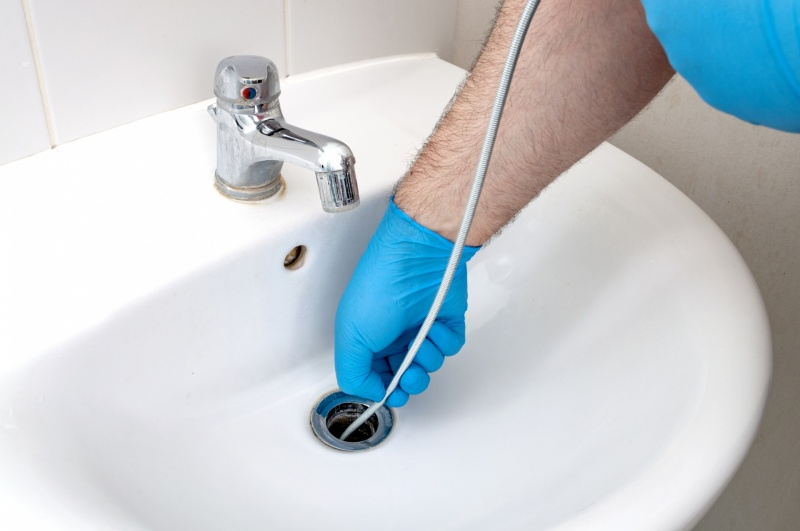
- Drain snakes
- Store-bought cleaners
These methods can sometimes remove surface debris or temporary clogs. However, they usually cannot eliminate hardened mineral buildup deep inside the plumbing system.
That is often the point where recurring drain problems continue returning despite repeated cleaning attempts.
Professional plumbers frequently use camera inspections to examine the inside of pipes. In homes with long-term hard water exposure, these inspections often reveal heavy scale accumulation restricting normal water flow.
In some cases, the buildup becomes severe enough to reduce the pipe opening dramatically.
Why Early Intervention Matters
Ignoring hard water damage for too long can eventually lead to expensive plumbing repairs.
Severely scaled pipes may require-
- Professional descaling
- Hydro jetting
- Pipe section replacement
- Sewer line repair
- Water damage restoration after backups.
Repair costs rise significantly once the plumbing system begins failing structurally.
Addressing the issue earlier is usually far less disruptive and more manageable financially.
If your drains are slow or making unusual sounds, do not ignore the warning signs. Many homeowners choose to click here and schedule a drain inspection before minor buildup turns into a larger plumbing issue. Companies like Drain Guys often use camera inspections to identify buildup before serious damage develops.
Steps That Can Help Reduce Hard Water Damage
While hard water cannot always be eliminated completely, homeowners can take steps to reduce its long-term impact on drains.
Helpful measures may include-
- Installing a water softener
- Cleaning drains regularly
- Avoiding grease disposal in sinks
- Addressing slow drainage early
- Scheduling occasional plumbing inspections.
Preventive maintenance often helps extend the lifespan of plumbing systems and reduces the likelihood of major blockages later.
Final Thoughts
Hard water damage rarely happens all at once. It builds quietly inside pipes over time, slowly affecting how drains function throughout the home.
The challenge is that the early symptoms often seem minor. Slow drainage, occasional gurgling, or recurring clogs may not appear urgent at first. But these signs can point to larger mineral buildup developing within the plumbing system.
Paying attention to those changes early can help homeowners avoid larger repairs and keep drains functioning more reliably over the long term.

