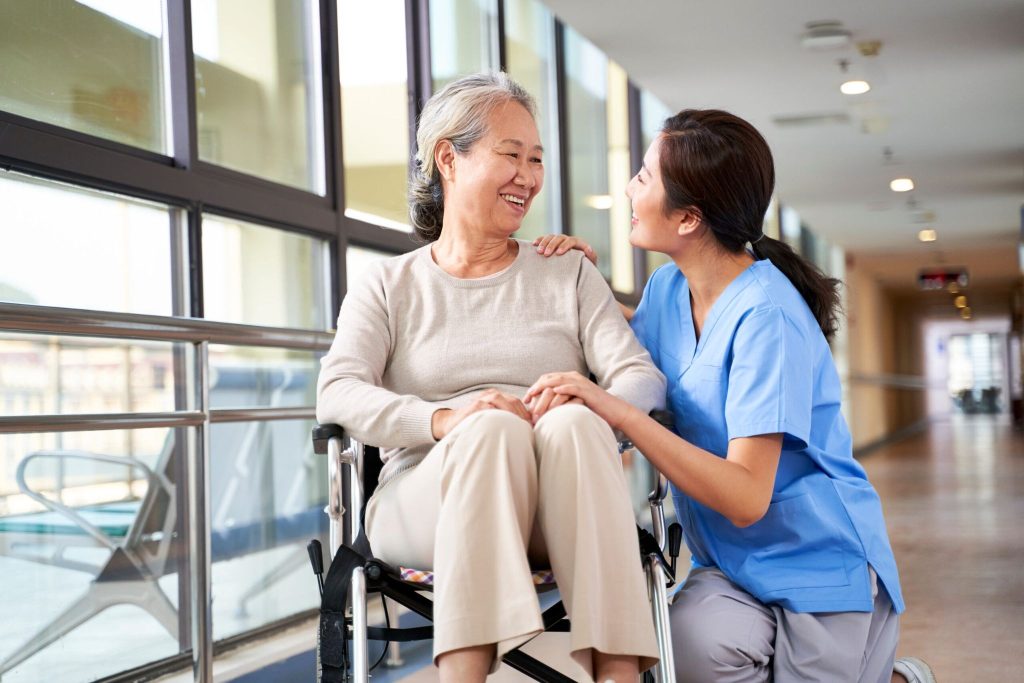
As families become busier and healthcare needs continue to grow, many households in Pakistan are looking for dependable support for elderly parents, recovering patients, and loved ones who need daily assistance. In many homes, the first solution is often hiring regular domestic help. While domestic workers can assist with household chores and basic routines, caregiving requires a completely different level of knowledge, responsibility, and compassion.
When it comes to the health, dignity, and emotional well-being of a loved one, trained caregivers provide value that goes far beyond everyday assistance. Professional caregiving is not simply about helping someone move around the house or reminding them to eat. It involves medical awareness, emotional intelligence, safety monitoring, hygiene management, and personalized support that can significantly improve quality of life.
For families searching for reliable home care for elderly family members, understanding the difference between trained caregivers and regular domestic help is essential. Making the right decision can directly impact comfort, recovery, safety, and peace of mind for everyone involved.
Difference Between Caregiving and Domestic Help
Domestic helpers are generally hired to assist with household responsibilities such as cleaning, cooking, laundry, and errands. While some may also help elderly individuals with basic tasks, they are usually not professionally trained in caregiving practices.
A trained caregiver, however, is specifically prepared to support individuals with physical, emotional, and health-related needs. Their role focuses entirely on patient care and personal well-being.
This distinction becomes extremely important when caring for:
- Elderly individuals with limited mobility
- Patients recovering from surgery
- People living with dementia or Alzheimer’s
- Individuals with chronic illnesses
- Seniors requiring medication reminders
- Bedridden patients
- People needing companionship and emotional support
A caregiver understands how to handle these situations safely and professionally, while untrained domestic help may unintentionally create risks due to lack of medical awareness or caregiving knowledge.
Why Professional Caregiving Requires Specialized Training
Many families assume caregiving is simply about “helping someone around the house.” In reality, caregiving involves a broad set of skills that directly affect a patient’s health and emotional state.
Professional caregivers are trained to:
- Assist with mobility safely
- Prevent falls and injuries
- Maintain hygiene standards
- Understand emergency situations
- Observe changes in patient condition
- Support emotional well-being
- Communicate effectively with families
- Handle patients with patience and dignity
This training allows caregivers to provide care that is both compassionate and safe.
Without proper training, even small mistakes can become serious issues. Incorrect lifting techniques can injure an elderly person. Poor hygiene practices can increase infection risks. Missing signs of dehydration, confusion, or breathing problems may delay critical medical attention.
That is why families increasingly prefer professional caregiving services over relying solely on domestic workers for sensitive healthcare-related responsibilities.
The Emotional Needs of Elderly Individuals
One of the most overlooked aspects of caregiving is emotional support.
Many elderly individuals experience loneliness, anxiety, frustration, or depression, especially if they are physically dependent on others. A trained caregiver understands the emotional side of caregiving and knows how to build trust, communicate respectfully, and create a comfortable environment.
Professional caregivers are trained to:
- Encourage meaningful conversation
- Offer companionship
- Reduce feelings of isolation
- Support mental stimulation
- Maintain patient dignity
- Handle emotional stress calmly
Domestic help may complete tasks efficiently, but caregiving requires emotional connection and patience that comes from proper understanding and experience.
For families seeking compassionate home care for elderly loved ones, emotional care is just as important as physical assistance.
Safety Is One of the Biggest Advantages of Trained Caregivers
Safety concerns become increasingly important as people age or recover from illness.
Older adults are more vulnerable to:
- Falls
- Medication errors
- Mobility injuries
- Infections
- Dehydration
- Sudden medical emergencies
A trained caregiver knows how to reduce these risks through proper monitoring and preventive care.
For example, caregivers are often trained to:
- Assist patients when walking
- Notice early warning signs of illness
- Ensure hygiene protocols are followed
- Support safe bathing routines
- Monitor nutrition and hydration
- Respond calmly during emergencies
Untrained domestic workers may not recognize warning signs or know how to respond appropriately in critical situations.
The difference between professional care and basic assistance often becomes most visible during moments that require quick judgment and proper action.
Personalized Care Improves Quality of Life
Every patient has unique needs. A one-size-fits-all approach does not work in caregiving.
Professional caregivers are trained to adapt their support according to:
- Age
- Medical condition
- Mobility level
- Emotional needs
- Dietary requirements
- Recovery progress
- Daily routines
This personalized approach helps individuals maintain independence and comfort while receiving the support they need.
For example:
- A stroke recovery patient may need mobility exercises.
- A dementia patient may need memory support and calm communication.
- A senior living alone may primarily need companionship and supervision.
Trained caregivers understand how to adjust their caregiving style accordingly.
The Importance of Hygiene and Infection Control
Hygiene is one of the most critical components of caregiving, especially for seniors and recovering patients.
Improper hygiene practices can lead to:
- Skin infections
- Bed sores
- Respiratory infections
- Urinary tract infections
- General health complications
Professional caregivers understand:
- Personal hygiene protocols
- Sanitization practices
- Safe food handling
- Proper patient cleaning techniques
- Bedridden patient care
- Infection prevention methods
These practices become especially important for individuals with weakened immune systems or limited mobility.
Domestic helpers may not have formal training in healthcare hygiene standards, which can increase risks for vulnerable patients.
Families Gain Peace of Mind With Professional Care
One of the greatest benefits of hiring trained caregivers is the reassurance families experience.
Many Pakistani families today face challenges such as:
- Busy work schedules
- Living abroad
- Managing multiple responsibilities
- Limited time for caregiving
Professional caregivers help bridge this gap by providing dependable support while keeping families informed about the patient’s condition and daily routines.
Knowing that a loved one is receiving proper attention, respectful care, and professional support reduces stress for family members significantly.
This is particularly important for overseas Pakistanis who worry about aging parents living at home.
Reliable caregiving services allow families to feel more connected and confident, even from a distance.
Trained Caregivers Support Recovery More Effectively
Recovery after surgery, illness, or hospitalization often requires specialized support at home.
Patients may need:
- Medication reminders
- Mobility assistance
- Wound care support
- Nutritional monitoring
- Exercise guidance
- Emotional encouragement
A trained caregiver understands recovery protocols and can help patients follow routines that support healing and prevent complications.
This professional support often helps patients:
- Recover more comfortably
- Avoid hospital readmissions
- Maintain better mental health
- Regain independence faster
Regular domestic help may provide general assistance but may not understand the specific care needs involved during recovery periods.
Understanding Dementia and Alzheimer’s Care
Caring for someone with dementia or Alzheimer’s requires patience, knowledge, and specialized communication skills.
Individuals with memory-related conditions may experience:
- Confusion
- Mood changes
- Wandering
- Anxiety
- Difficulty recognizing people
- Sleep disturbances
Professional caregivers are trained to handle these challenges calmly and respectfully.
They understand techniques such as:
- Redirecting attention gently
- Maintaining routines
- Communicating clearly
- Reducing emotional distress
- Ensuring patient safety
Without proper understanding, untrained caregivers may unintentionally increase confusion or frustration for dementia patients.
Families dealing with memory-related conditions should always prioritize trained caregiving support.
How Considracare Pakistan Approaches Caregiver Training
ConsidraCare Pakistan recognizes that caregiving is more than a service; it is a responsibility built on compassion, professionalism, and trust.
The organization focuses on preparing caregivers to deliver patient-centred support that prioritizes dignity, safety, and emotional well-being.
Professional caregiver training typically includes areas such as:
- Elderly care support
- Patient handling techniques
- Hygiene and infection control
- Communication skills
- Emotional support practices
- Emergency awareness
- Mobility assistance
- Compassionate caregiving approaches
By emphasizing both technical skills and human connection, Considracare Pakistan aims to provide families with dependable caregiving support tailored to each individual’s needs.
This balanced approach helps ensure patients receive respectful and attentive care in the comfort of their homes.
Why More Families Are Choosing Professional Home Care
The demand for professional caregiving services in Pakistan is growing rapidly.
Several factors contribute to this shift:
- Increasing elderly population
- Busy family lifestyles
- Greater healthcare awareness
- Rise in chronic illnesses
- Need for post-hospital recovery support
- Growing awareness of patient dignity and mental well-being
Families are realizing that caregiving requires more than availability. It requires proper preparation, patience, and understanding.
As awareness increases, professional caregiving is becoming an essential part of modern family healthcare support systems.
The Long-Term Benefits of Professional Caregiving
Choosing trained caregivers can create long-term benefits for both patients and families.
These benefits may include:
- Improved patient comfort
- Better emotional well-being
- Reduced safety risks
- Healthier daily routines
- Faster recovery support
- Lower family stress
- Increased independence for elderly individuals
Professional care also helps preserve dignity and quality of life, which are deeply important for aging individuals.
Rather than feeling like a burden, many seniors feel more respected and emotionally secure when supported by compassionate professionals who understand their needs.
Common Misconceptions About Caregiving
“Anyone Can Take Care of an Elderly Person”
While many people can offer help, professional caregiving requires training, observation skills, patience, and healthcare awareness.
“Domestic Help Is Enough”
Domestic workers can provide useful household support, but healthcare-related responsibilities often require specialized knowledge.
“Professional Caregiving Is Only for Serious Illness”
Caregivers are valuable for:
- Companionship
- Daily support
- Mobility assistance
- Recovery care
- Emotional well-being
- Routine supervision
Caregiving is not limited to critical medical situations.
“Family Members Alone Can Manage Everything”
Family involvement is important, but professional caregivers can provide additional support that reduces stress and improves patient care quality.
FAQs
What is the difference between a caregiver and domestic help?
Domestic help mainly focuses on household chores such as cleaning, cooking, and laundry. A caregiver is trained to support physical, emotional, and healthcare-related needs for elderly individuals or patients.
Why is professional caregiving important for elderly individuals?
Professional caregivers help ensure safety, emotional support, hygiene, mobility assistance, and proper daily care for seniors, improving their overall quality of life.
Can trained caregivers help after surgery?
Yes, caregivers can assist with mobility, medication reminders, hygiene support, meal assistance, and recovery monitoring after surgery.
Is professional caregiving only for bedridden patients?
No. Caregivers also support seniors who need companionship, supervision, assistance with daily activities, or help managing health conditions.
How does professional caregiving reduce family stress?
Families gain peace of mind knowing their loved ones are receiving proper attention, compassionate care, and professional support at home.
Why is emotional support important in caregiving?
Loneliness and emotional stress can affect elderly individuals significantly. Caregivers provide companionship, conversation, and emotional reassurance that improves mental well-being.
What should families look for in a professional caregiver?
Families should look for:
- Proper training
- Experience
- Compassion
- Communication skills
- Patience
- Reliability
- Understanding of elderly care needs
Conclusion
Caring for a loved one involves much more than completing daily tasks. True caregiving requires patience, emotional understanding, safety awareness, and professional knowledge that supports both physical and mental well-being.
While domestic help can assist with household responsibilities, trained caregivers provide specialized care designed to improve comfort, dignity, recovery, and quality of life for elderly individuals and patients.

