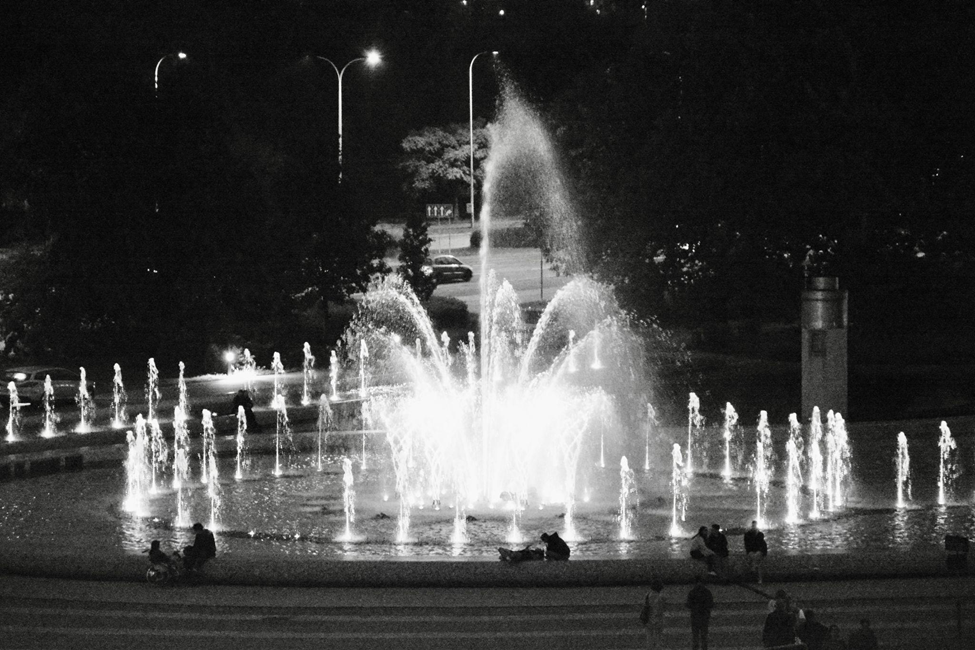
A water fountain is a great way to transform an outdoor area into a garden, patio, courtyard, or backyard. The waterfall can be a source of relaxation and tranquility, as well as a source of visual interest and dynamic energy to the surrounding area. The fountain pump is a crucial part in the success of the fountain, regardless of whether it is a small decorative fountain or a large landscape feature.
Most people are concerned with the fountain itself and are not so much interested in the pump. But it is the pump that delivers the right flow of water. The right water fountain pump will result in strong flow, no noise, no splashing and no maintenance problems. With careful selection of the appropriate fountain pump, you’ll be able to craft a harmonious water feature that is not only visually appealing but also functional and efficient for years to come.
There are several key factors to consider when buying a pump that can make the process smoother and help prevent pitfalls.
Why the Fountain Pump Matters
The water fountain pump circulates the water throughout the fountain system. This circulates water from the bottom of the fountain to the top and maintains the flow of water. Even the best designed fountain may not perform if the proper pump is not used.
If the pump is undersized, the fountain may not have sufficient water flow, resulting in a weak or incomplete display. However, if the pump is too strong, it will cause unnecessary splashing and loss of water. High water pressure can even cause smaller fountains to change its shape in some instances.
The idea is to select a pump that fits the fountain both in size and design. The fountain produces a nice sound when the water flow is adjusted properly, keeps the water moving and makes the outdoors a more relaxing and pleasant environment.
Understanding the Main Types of Fountain Pumps
There are two most common types of fountain pumps for outdoor fountains: submersible pumps and external pumps. Knowing the difference between them can help to reduce the options when selecting the ideal choice for a specific setup.
Submersible pumps are pumps that are meant to be submerged in water. These pumps are submerged in the fountain basin and are not visible above the water. Due to their size, flexibility and ease of installation, they are commonly installed within residential fountains and typically quieter when running. Submersible pumps are frequently used in smaller decorative fountains and garden features because they are surrounded by the water and can absorb sound.
External pumps are pumps located outside of the fountain system. These types of pumps are typically employed in bigger fountains, ponds or water features where more powerful water circulation is needed. Are powerful than a lot of submersible pumps and can pump greater volume of water. They may, however, need more space for installation and extra plumbing work.
Submersible pumps are generally more practical for most home fountains and medium size outdoor water features.
Flow Rate Is One of the Most Important Factors
One of the key specifications to check when choosing a fountain pump is the flow rate. Flow rate is commonly measured in gallons per hour, often referred to as GPH. This measurement shows how much water the pump can move within one hour.
The flow rate directly affects the appearance of the fountain. A higher flow rate creates stronger water movement and larger spray patterns, while a lower flow rate produces a softer and more relaxing water effect.
Small decorative fountains generally require lower flow rates because excessive pressure can cause splashing and overflow. Larger fountains, waterfalls, and pond systems usually need higher flow rates to maintain consistent circulation.
Many people make the mistake of choosing a pump based only on the maximum GPH number. However, the actual performance of a pump also depends on the height the water must travel and the overall fountain design.
Understanding Head Height
Head height is another important factor that should not be ignored when selecting a fountain pump. Head height refers to the vertical distance the pump must push water upward from the pump location to the highest point of the fountain.
As water travels upward, the pump gradually loses pressure. This means the actual water flow decreases as the height increases. A pump may appear powerful on paper but may struggle if it needs to move water several feet upward.
For example, a fountain with multiple levels or tall water sprays will require a pump with higher head height capacity. If the pump does not have enough power to support the height of the fountain, the water flow may appear weak or uneven.
Checking the pump’s head height rating helps ensure the fountain performs as expected once installed.
Matching the Pump to the Fountain Size
The overall size of the fountain should always guide pump selection. Small tabletop fountains, medium garden fountains, and large outdoor water features all require different levels of water circulation.
A powerful pump paired with a small fountain can create excessive splashing, which may lower water levels quickly and increase maintenance requirements. Constant water loss can also damage the pump if water levels drop too low.
At the same time, a large fountain paired with a weak pump may not create enough water movement to keep the feature visually appealing. The fountain may appear inactive, and water circulation may become uneven.
Choosing a pump that matches the fountain size helps create balanced flow and improves long-term performance.
Energy Efficiency Should Also Be Considered
Outdoor fountains often operate for long periods each day, which means electricity usage can become an important factor over time. Choosing an energy-efficient pump can help reduce operating costs while still maintaining steady water circulation.
Modern fountain pumps are often designed to consume less energy without sacrificing performance. This can be especially useful for homeowners who keep their fountains running throughout the day or night.
Solar-powered fountain pumps are another option for smaller outdoor fountains. These pumps rely on sunlight instead of electricity and can work well in areas with strong sunlight exposure. However, their performance may vary during cloudy weather or nighttime hours.
Considering energy use before purchasing a pump can help create a more practical and cost-effective setup in the long run.
Noise Levels Can Affect the Overall Experience
One of the main reasons people install outdoor fountains is to create a peaceful and relaxing atmosphere. Because of this, pump noise is something that should not be overlooked.
Submersible pumps are generally quieter because they remain underwater, which naturally reduces operational sound. External pumps may produce more noticeable mechanical noise, especially in smaller outdoor areas.
A noisy pump can reduce the calming effect that the fountain is meant to create. Proper installation, regular cleaning, and selecting the right pump size can all help reduce unnecessary noise.
In many cases, keeping the pump clean and free from debris can also improve overall performance and quieter operation.
Maintenance Is Important for Long-Term Performance
Like any mechanical equipment, fountain pumps require regular maintenance to continue working properly. Dirt, leaves, algae, and debris can build up inside the pump over time and affect water circulation.
Choosing a pump that is easy to clean and access can make maintenance much simpler. Some pumps include protective screens or filters that help reduce clogging and improve efficiency.
Regular cleaning helps prevent overheating, weak water flow, and unnecessary wear on the motor. It can also extend the lifespan of the pump and reduce the chances of sudden breakdowns.
Simple maintenance routines can often prevent larger problems and help keep the fountain running smoothly.
Weather Conditions and Durability Matter
Outdoor fountain pumps are constantly exposed to changing weather conditions. Heat, rain, dust, leaves, and temperature changes can all affect pump performance over time.
A durable pump designed for outdoor use usually includes weather-resistant materials and protective sealing to reduce damage caused by moisture and debris. Choosing a pump made for outdoor environments can improve reliability and reduce maintenance issues.
In colder climates, pumps may need to be removed during freezing temperatures to prevent ice-related damage. Frozen water can expand inside the pump and affect internal components if left unattended during winter.
Regular inspections can help identify signs of wear before major problems develop.
Final Thoughts
Choosing the right water fountain pump is an important part of creating a successful outdoor water feature. The pump affects water circulation, flow strength, sound levels, maintenance needs, and overall efficiency.
Understanding factors such as flow rate, head height, fountain size, energy efficiency, durability, and maintenance requirements can help homeowners make better decisions before purchasing a pump.
A properly selected pump helps create a fountain that looks balanced, operates smoothly, and remains enjoyable for years without unnecessary complications.

