Lakefront cottages offer a particular kind of calm that few other settings can match. Mornings begin with quiet water on the dock, and afternoons stretch into long, unhurried hours. Behind that peaceful scene sits a working water system, doing real work each day, keeping showers warm, taps reliable, and kitchens running smoothly across every season.
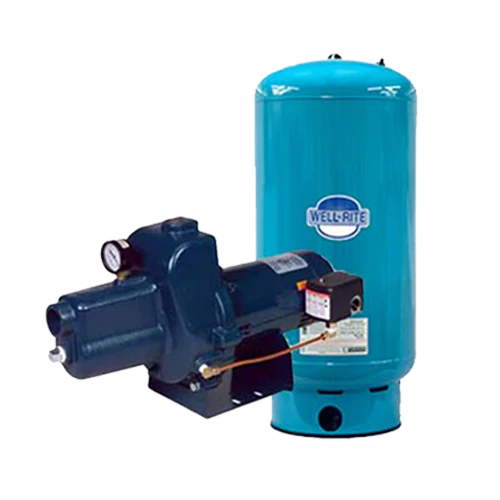
Most waterfront properties depend on equipment tucked into a small mechanical room, often forgotten until something quietly stops working as it should. A well-matched lake water pump system for cottage properties keeps pressure steady, protects appliances from premature wear, and supports comfortable use across the season. When the gear suits the real demands of the household, weekends feel easier, and surprise breakdowns become far less common.
When Aging Equipment Quietly Steals Your Weekend
Worn Components and Pressure Drops: Older pumps tend to lose reliability slowly, not all at once. You might notice the shower pressure dipping when the dishwasher runs, or hear the pump cycling more often than it used to. These early signs often point to tired bearings, weakening seals, or a tank that no longer holds steady pressure across the day.
Hidden Costs of Patchwork Repairs: Quick fixes can keep things running for another weekend, but they tend to mask deeper problems building underneath. A failing pressure tank rarely shows obvious symptoms until the pump itself starts to wear from overwork. Replacing tired parts in isolation often costs more across a few seasons than addressing the system as one planned upgrade.
Setups Built Around How Cottagers Actually Live
Capacity That Matches Real Household Demand: Cottage use rarely looks like home use. Mornings bring back-to-back showers, late afternoons see laundry and dishes running together, and evenings need quiet, steady supply. Sizing the system for peak load, rather than average use, prevents that frustrating drop in pressure when several taps open at the same time across the property.
Filtration Layers Suited to Lake Sources: Lake water carries fine sediment, organic matter, and seasonal variation that municipal supplies do not. A layered approach, beginning with a coarse screen and ending with a polishing filter, gives the submersible pump less debris to push through and helps protect downstream fittings, fixtures, and any disinfection equipment that follows.
Pre-Treatment That Eases the Workload: Sediment and organic load wear systems out faster than most owners expect. Adding a pre-filter sized for the actual flow rate gives every downstream component an easier life. It also keeps disinfection equipment working at its rated dose and protects sensitive fittings from the gradual scoring caused by fine particles in the supply line.
Protecting Equipment From the Lake That Feeds It
Intake Placement and Seasonal Realities: Where the intake sits in the lake matters as much as the pump on shore. Place it too close to the bottom and silt becomes a constant problem. Placing it in too shallow and warmer surface water brings algae and debris into the line. A few practical habits keep the system running predictably across the season.
- Position the intake at least one metre off the lake bed to limit silt and disturbed sediment.
- Use a fine-mesh strainer on the intake to keep weeds and small debris out of the supply line.
- Inspect the foot valve each spring before the season starts to confirm it still holds prime properly.
- Schedule a full equipment check after winter to catch any cold-related damage early in the year.
- Keep spare lamps, cartridges, and small fittings on site to avoid frustrating weekend delays.
Routine Habits That Pay Back Quickly: Small routines, kept consistently, often do more than expensive upgrades ever could. A monthly look at the pressure gauge, a quick listen to the pump cycle, and a glance at the prefilter housing can flag issues weeks before they turn into weekend emergencies. Cottagers who stay close to their system spend less on it overall.
Comfort, Quiet, and the Feel of Steady Water
Steady Pressure Across the Whole Cottage: Steady pressure is one of those things that goes unnoticed until it disappears. Guests expect a hot shower without warning drops, and morning routines should not need to be staggered around laundry. A properly sized tank, paired with a pump that does not short-cycle, keeps that quiet, dependable feel running through busy weekends.
Quieter Operation and Lower Energy Draw: Newer pumps run quieter than their older counterparts and draw less power when sized correctly for the load. That difference adds up across a long summer, particularly for properties on generator backup where every watt matters. Comfort and efficiency tend to move together when the system has been thought through from intake to tap.
Planning Ahead for the Way the Season Unfolds
Spring Startup and Sensible Inspection: Reopening a cottage in spring goes more smoothly when the system is brought online in stages. Check fittings for cold damage, run the pump under low load first, and let lines flush before drinking water is drawn. A short, careful startup catches small problems before they become weekend-ruining surprises later in the year.
Winter Closure and Equipment Protection: Closing the cottage well in autumn protects equipment from the harshest months of the year. Drain the lines properly, isolate the pump, and store fragile components somewhere stable and dry where possible. A thoughtful shutdown is far less work in October than dealing with cracked fittings and damaged seals the following May.
Settling Into a Cottage That Just Works
A cottage should feel like a quiet break from problem-solving, not another property to chase around. When the water system is matched to the household and the lake it draws from, the entire place starts to feel easier to enjoy. Speak with a qualified water treatment specialist about a full system assessment, and let the next season be the smooth one.

