
Have you ever received a message that ended with just a single dot (.) and instantly felt like something was off?
I remember seeing it in a chat once just a tiny period and I wondered, “Did they mean to send more? Are they upset? Is this a typo?”
That tiny little dot can carry a big meaning, and if you’ve seen it and felt confused, you’re definitely not alone.
Quick Answer:
A single dot (.) in a text usually means “end of discussion,” “final,” or a sign of frustration/seriousness.”
It’s a short, blunt, and sometimes cold way of signaling closure or emphasis.
What Does “.” Mean in Text?
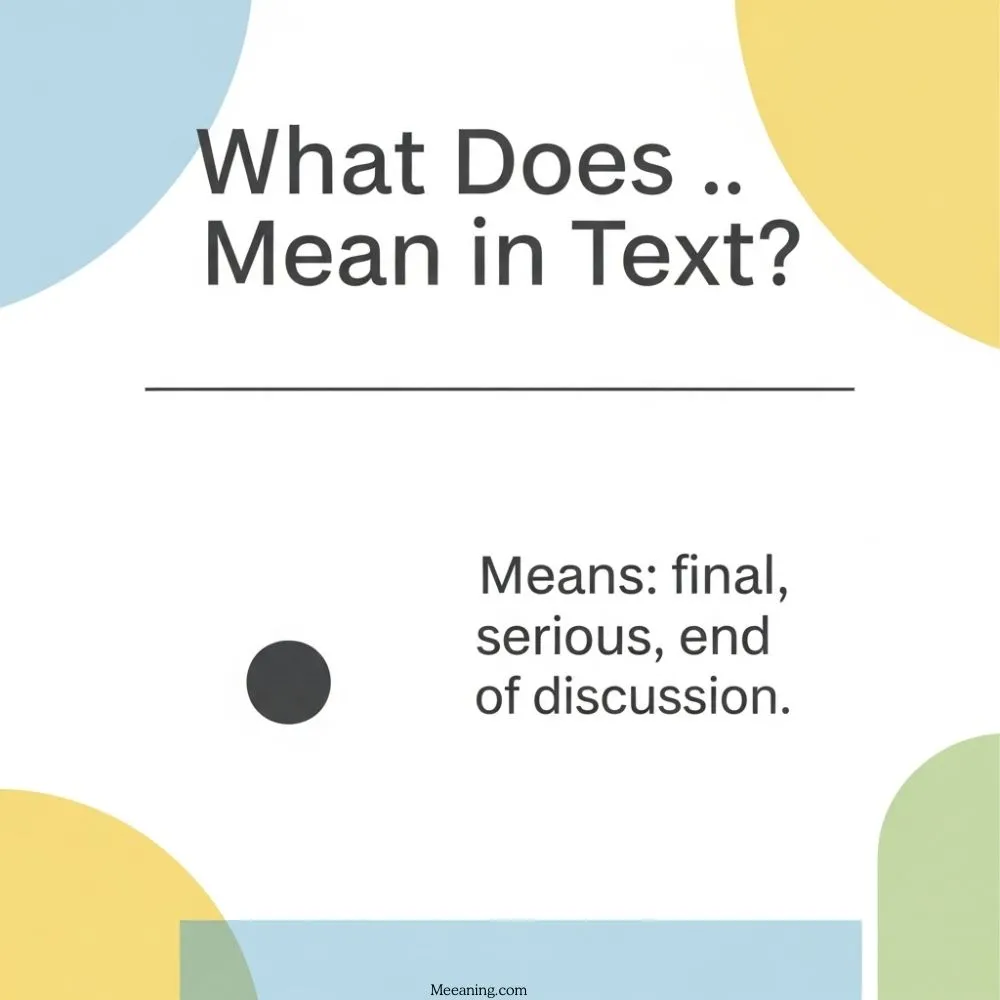
In texting, a single dot (.) is used to show finality, disappointment, frustration, or a serious tone.
It’s often sent when someone doesn’t want to continue the conversation or wants to show that they’re being straightforward and firm.
Example:
A: are you coming?
B: no.
In short:
. = final tone = the conversation is ending or the person is being serious.
Where Is “.” Commonly Used?
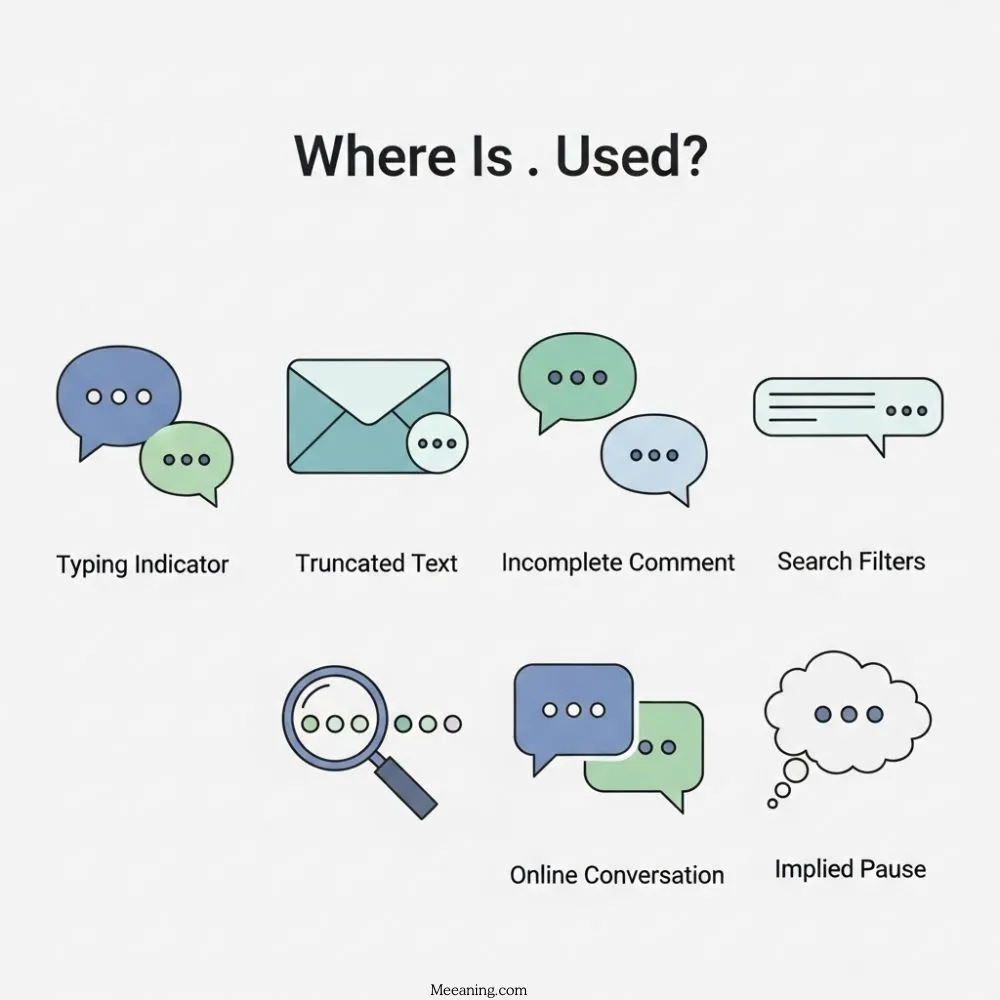
You’ll see the single dot used across many platforms, especially where tone matters:
- 💬 Text messaging (common)
- 📷 Instagram DMs
- 🧵 Twitter/X replies
- 💻 Discord chats
- 👻 Snapchat chats
- 🎮 Gaming chats
- 📩 Emails (rarely, but possible)
Tone:
- ❗ Serious
- ❄️ Cold or blunt
- ❌ Not friendly
- 😐 Neutral when used for clarity
- Not recommended for formal or professional communication unless grammatically required.
Examples of “.” in Conversation
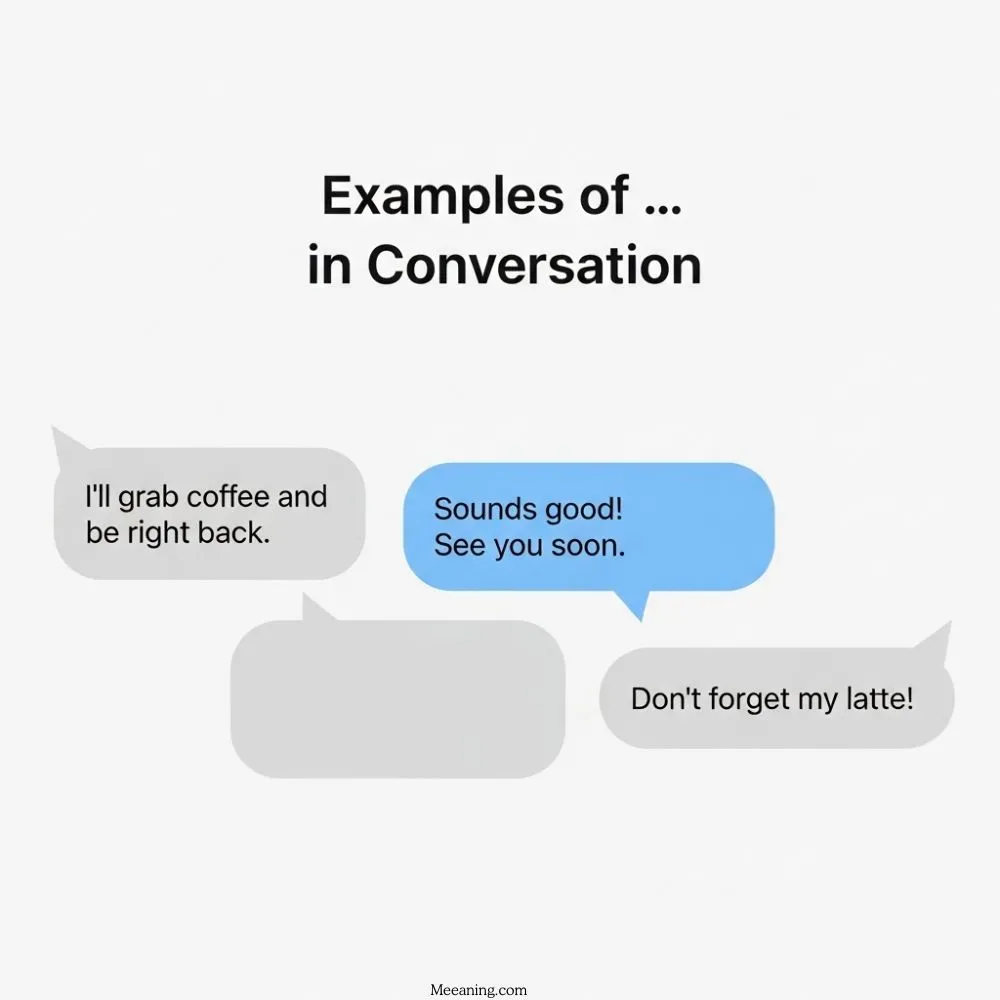
Here are realistic chat examples showing different moods behind the single dot:
A: u okay?
B: yeah.
A: you’re still mad?
B: no.
A: can we talk later?
B: fine.
A: i already said sorry
B: ok.
A: did you read my message?
B: yes.
A: imma join in 5
B: .
A: so what do you wanna do?
B: nothing.
When To Use and When Not To Use “.”
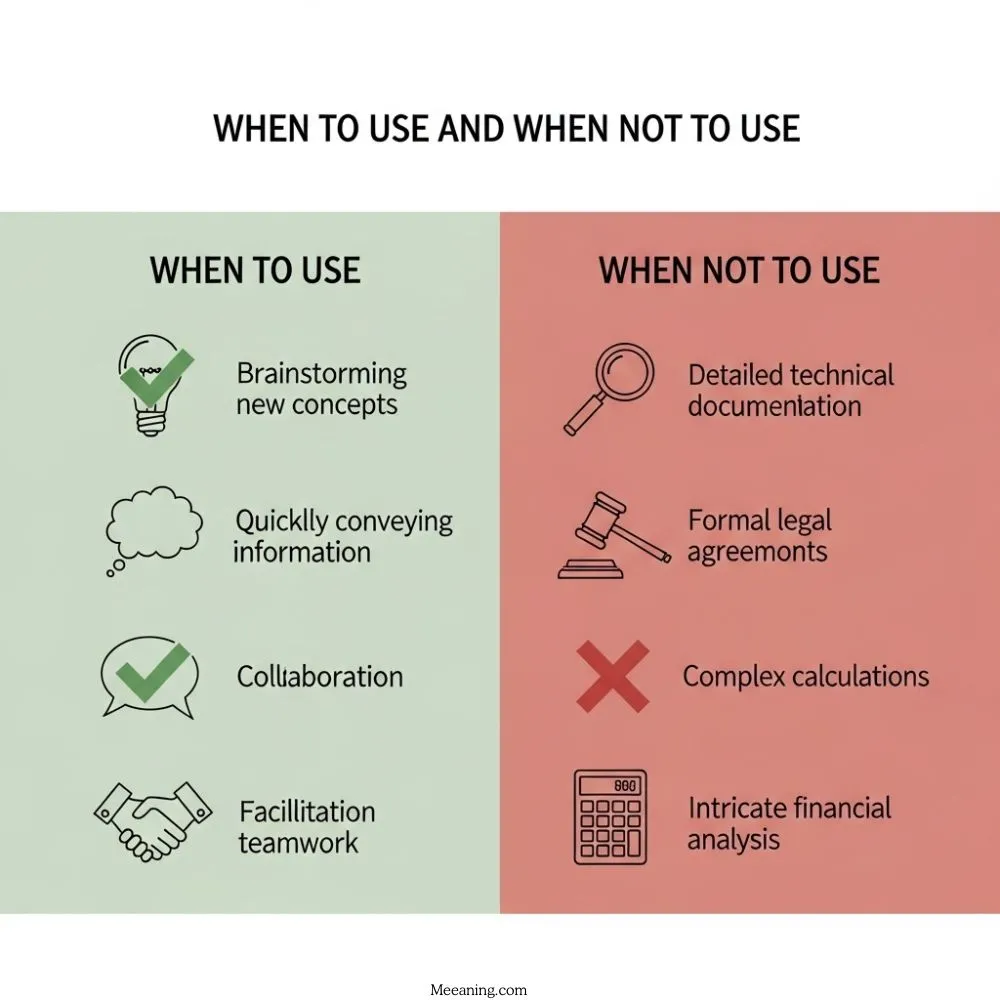
✅ When To Use
- When you want to show seriousness
- When ending a discussion
- When emphasizing a point
- When giving a final or blunt answer
- When you truly mean “that’s it”
❌ When NOT To Use
- Friendly chats
- Flirty conversations
- Casual texting
- Work messages (unless grammatically normal)
- Sensitive or emotional discussions
- Any situation where tone could be misunderstood
Context Comparison Table
| Context | Example Phrase | Why It Works |
|---|---|---|
| Friend Chat | “i’m not going.” | Shows clear decision (but sounds cold) |
| Work Chat | “Please review the file.” | Grammatically correct, neutral tone |
| “Thank you.” | Normal punctuation, polite | |
| Text Fight | “okay.” | Signals frustration or finality |
Similar Slang Words or Alternatives
| Slang | Meaning | When to Use |
|---|---|---|
| … | hesitation, thinking | unsure, soft tone |
| ok | neutral response | casual chats |
| ok. | firm finality | serious mood |
| k | short acknowledgment | quick replies |
| k. | annoyed acknowledgment | tense chats |
| period / . | final, done | ending a conversation |
FAQs
1. Does “.” mean someone is mad?
Often yes it can show irritation or coldness.
2. Is a single dot rude?
It can be, depending on context and tone.
3. Is “.” ever friendly?
Rarely. It usually sounds serious or final.
4. Does “.” mean the person is done talking?
Yes, it often signals the end of a conversation.
5. Why do people feel hurt when someone texts “.”?
Because it comes across as distant or dismissive.
6. Is “ok.” different from “ok”?
Yes, “ok.” sounds firm or annoyed.
7. Should I use “.” in professional messages?
Yes, but only as normal punctuation, not as a standalone message.
8. Does “.” mean confusion?
No. It usually means finality, not confusion.
9. Do guys use “.” differently than girls?
Not really; the meaning is mostly universal.
10. Is “.” the same as “periodt”?
No. Periodt is dramatic emphasis; . is serious or cold.

