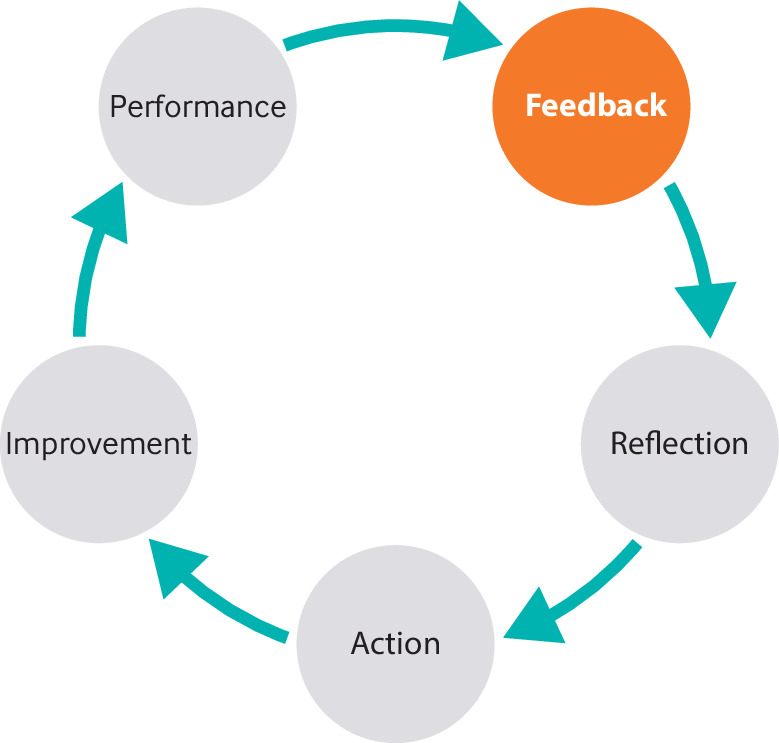
Stepping into a college lecture hall for the first time often feels like entering a country where you don’t quite speak the language. You might spend hours pouring your soul into a paper, only to receive it back covered in red ink with comments like “needs better synthesis” or “lacks cohesive flow.” If you find yourself staring at those notes wondering what they actually want from you, you aren’t alone.
Cracking the code of academic success starts with understanding that an “A+” isn’t handed out for effort; it is awarded for precision. Professors use rubrics as a roadmap. If you can’t read the map, you’ll never reach the destination. To write a paper that stands out, you have to look at the “anatomy” of the assignment—the bones, the muscle, and the skin that hold your arguments together.
The Skeletal Structure: Understanding the Rubric
Think of the rubric as the skeleton of your essay. Without it, your ideas are just a pile of mush on the floor. Most rubrics are broken down into specific categories: Argumentation, Organization, Evidence, and Mechanics.
When a professor looks at your work, they are checking boxes. If the rubric asks for “original thought,” and you simply repeat what was said in class, you lose points. To get ahead, you should treat the rubric as a checklist before you even write your first sentence. Many students find that working with a professional essay helper allows them to see how these abstract rubric requirements translate into actual writing. By seeing a clear example of a structured argument, the “skeleton” of the essay becomes much easier to build.
The Brain: Thesis and Critical Thinking
The brain of your essay is your thesis statement. This is the central command center. If your thesis is weak or vague, the rest of the paper will wander. A common piece of feedback is “Thesis is too broad.” This means you tried to cover the entire history of the world in five pages.
Professors want to see “Critical Analysis.” This doesn’t mean you have to find something wrong with a topic. It means you need to break the topic down into parts and explain how they work together. Instead of saying “Global warming is bad,” a critical thesis would say, “The economic impact of rising sea levels in coastal cities necessitates a shift in urban planning priorities.” It’s specific, it’s debatable, and it shows you have a brain in the game.
The Muscle: Evidence and Synthesis
If the thesis is the brain, then your evidence is the muscle. It’s what gives your paper the strength to prove a point. However, simply “dropping” quotes into a paragraph isn’t enough. This is where most students get hit with the feedback: “More synthesis needed.”
Synthesis is the art of making different sources talk to each other. If you quote Author A and then quote Author B, you need to explain why those two viewpoints matter when put side-by-side. Do they agree? Does Author B provide a solution to Author A’s problem? When you connect these dots, you show mastery over the subject matter.
The Skin: Clarity, Tone, and Polish
The final layer of an A+ essay is its appearance—the “skin.” This involves your grammar, your transitions, and your overall tone. You can have a brilliant argument, but if your paper is riddled with typos or awkward phrasing, the professor will struggle to see your brilliance.
This is often the hardest part to do yourself because we become “blind” to our own mistakes after staring at a screen for hours. Utilizing a professional essay editing service can be the difference between a B+ and an A. A fresh pair of eyes can spot the “clutter” in your sentences and help you trim the fat, ensuring your voice remains professional and clear.
Decoding Common Professor Comments
To help you navigate your next graded paper, let’s look at what professors actually mean when they leave these common notes:
- “Show, Don’t Tell”: You are making claims without providing examples. Instead of saying the character was sad, describe their actions or the environment that reflects that sadness.
- “Watch Your Transitions”: Your paragraphs feel like separate islands. You need “bridge” sentences that link the end of one idea to the start of the next.
- “Passive Voice”: Your writing feels weak. Instead of saying “The experiment was performed by the students,” say “Students performed the experiment.” It’s more direct and energetic.
- “Vague Language”: You are using words such as “stuff,” “things,” or “aspects.” Be precise. Name the specific thing you are talking about.
Final Checklist for an A+
Before hitting “submit,” go through this final gauntlet:
- Does every paragraph support the thesis? If it doesn’t, cut it.
- Is the formatting perfect? Whether it’s APA, MLA, or Chicago, professors care about the details.
- Did you answer the prompt? It sounds simple, but many students write a great essay that has nothing to do with the actual question asked.
- Read it out loud. If you run out of breath during a sentence, that sentence is too long.
Writing a top-tier essay is a skill that takes time to develop. It’s about more than just knowing the facts; it’s about presenting those facts in a way that respects the academic tradition while showing your unique perspective. If you focus on the anatomy—the structure, the thought, the evidence, and the polish—you’ll find that “A+” is much closer than it seems.
Conclusion
Navigating the complexities of university writing is a journey of constant refinement. Understanding that a rubric is a tool for success rather than a hurdle allows you to approach every assignment with a strategic mindset. By deconstructing professor feedback and viewing your work through the lens of the “anatomy” discussed above, you transform from a student who simply completes tasks into a scholar who masters communication.
While the pressure of deadlines can make the writing process feel overwhelming, remember that every great writer relies on a system of support and revision. Whether you are building your argument from the ground up or putting the final touches on a complex research project, focusing on clarity and structural integrity will always pay off. With the right approach to organization and a commitment to polishing your prose, reaching the top of the grading scale becomes a repeatable habit rather than a stroke of luck. Use these insights to turn every “needs improvement” into a stepping stone toward your next academic breakthrough.

