Every living room eventually forces the same decision: stick with the timeless silhouette of a traditional couch, or upgrade to a reclining sofa that promises adjustable comfort at the push of a button. On paper the two categories look similar, but in daily use they behave like completely different pieces of furniture. One is a static stage for company and conversation; the other is an active piece of gear designed to move with the body. The comparison is more than academic, because the wrong choice can leave a room looking beautiful yet uncomfortable, or comfortable yet visually out of step with the rest of the home. Weighing these two options honestly, feature by feature, is the fastest way to understand which style actually deserves the center of the room, and to avoid the trap of choosing based on what a sofa looks like in a catalog rather than how it will feel on a Tuesday night.
Comfort on Demand versus Comfort by Design
Traditional couches deliver comfort through fixed geometry. The seat height, cushion depth, and back angle are set at the factory, and whoever sits down is expected to adapt to those dimensions. That approach works well for short visits and formal seating, but it starts to strain after a two-hour movie or a long recovery from a workday. A reclining sofa flips that logic. Instead of asking the body to conform, it adjusts to the person, opening the hip angle, lifting the feet, and shifting weight off the lumbar region. That small mechanical difference translates into a very different experience once the novelty wears off and daily use sets in.
For shoppers considering a modern reclining sofa, the payoff is not just relaxation but adaptability. One member of the household can sit fully upright to read while another leans back into zero-gravity mode for a nap. A traditional couch has no answer to that scenario. Everyone gets the same seat whether they like it or not, and the only variables are throw pillows and blankets. When comfort is the primary function of the piece, static design increasingly looks like a compromise rather than a virtue. The reclining category is essentially arguing that a sofa should behave more like a well-tuned chair, personal to the sitter, than a bench that everyone shares on equal terms.
Aesthetic Purity versus Modern Versatility
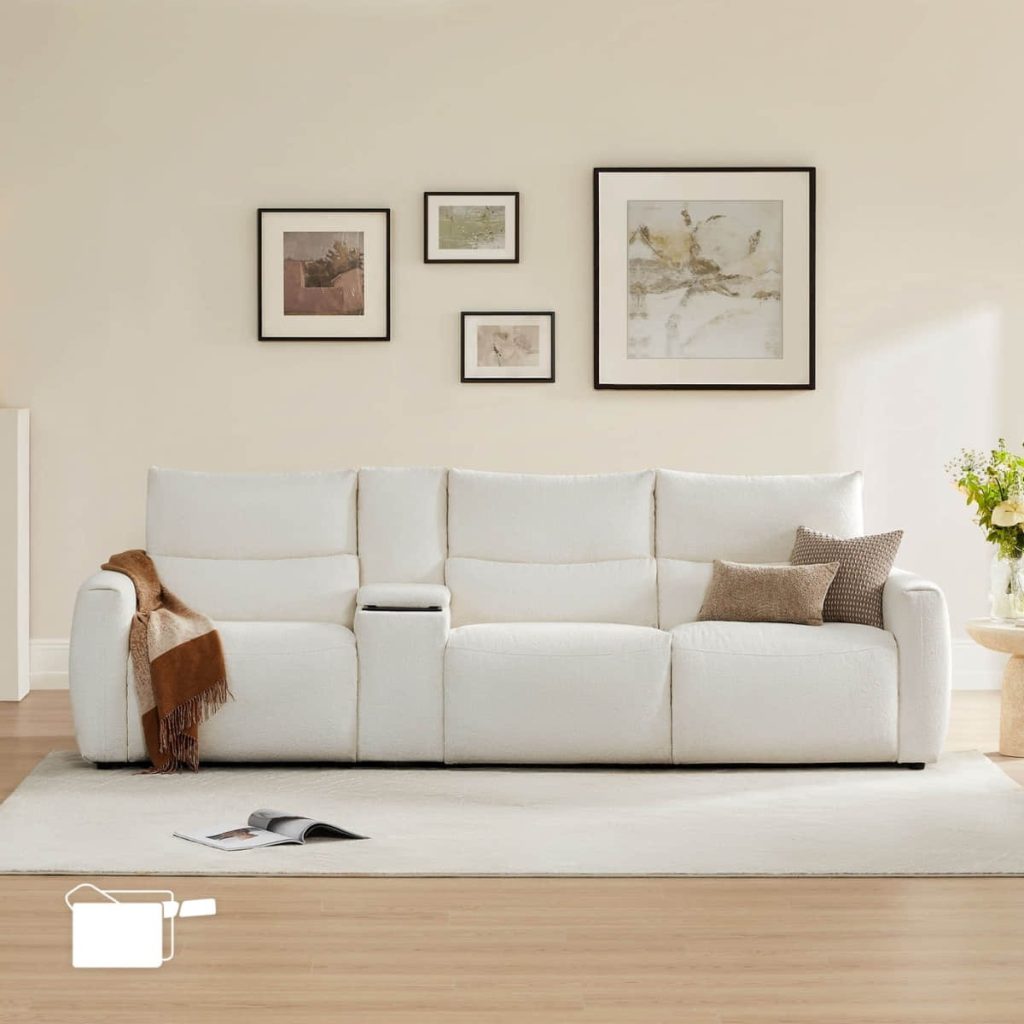
The strongest argument for a traditional couch has always been visual restraint. A clean-lined sofa with tailored cushions reads instantly as sophisticated, and it slips easily into styled interiors without competing for attention. Older reclining designs deserved their reputation for bulk. Oversized arms, hinged footrests, and visible mechanisms telegraphed function over form and made them tough to place in a curated room. Photographers avoided them, and design blogs rarely gave them cover treatment, which reinforced the perception that motion furniture and good taste could not share the same space.
That gap has narrowed dramatically. Today’s motion pieces from brands like CHITA LIVING hide the mechanism inside sleeker frames, use tighter cushion profiles, and finish the upholstery with the same care a designer would expect from a static sofa. Wall-hugger constructions let a reclining piece sit inches from the wall, freeing up floor space that once had to be sacrificed. The aesthetic penalty that once made traditional couches an obvious choice has largely disappeared, which means the deciding factor is no longer looks alone but how the piece performs when someone actually sits down. Guests often cannot tell a reclining sofa from a traditional one until it moves, and that quiet transformation is exactly what modern motion design has been chasing.
Sectional Ambition versus Reclining Focus
The comparison is not always sofa against sofa. Many buyers weigh a reclining sofa against a sprawling sectional, and the tradeoffs here are just as sharp. A sectional maximizes seating capacity and creates a social hub, which is invaluable for large families or frequent hosts. But most sectionals still rely on static cushions, and stretching out fully means claiming an entire arm of the piece while others make do with less. The corner seat becomes the prize everyone wants, and every other position feels like a runner-up prize by comparison.
A reclining sofa concentrates its intelligence in every seat rather than spreading capacity across a footprint. Two or three positions can all recline independently, so no one has to negotiate for the best spot. For households that value quality of seating over sheer quantity, that focus wins. Sectionals still make sense in genuinely large rooms with lots of guests, but in the tighter footprint of a typical living room, a reclining sofa often delivers more usable comfort per square foot. It is the difference between a stadium and a screening room, and most homes are closer to the second than the first.
The Loveseat Question versus a Full Reclining Piece
A quieter comparison often gets overlooked: the static loveseat. Loveseats are marketed as space-savers, ideal for apartments and cozy den setups, and their appeal is understandable. They tuck neatly under windows, work with tight corner layouts, and cost less than a full sofa. But they inherit every limitation of the traditional couch and shrink it. A person over six feet cannot stretch out. Two adults sitting side by side are practically shoulder to shoulder. Any hope of a nap requires curling into a shape the piece was not designed to hold.
A reclining sofa in a compact wall-hugger form often occupies a similar footprint while offering completely different function. Instead of forcing two people into a shared static bench, it gives each seat its own reclining range and its own personal comfort zone. For small living rooms in particular, the choice between a static loveseat and a right-sized reclining sofa is one of the most consequential decisions in the whole category, and it rarely gets the attention it deserves. The reclining option turns a limited footprint into two independent lounging stations rather than one cramped bench.
Longevity of Frame versus Longevity of Function
Skeptics of motion furniture often raise durability as the deciding argument. A traditional couch has no motors, no gears, and no wear points beyond the cushions and springs. In theory, that means fewer things can break. The counterpoint is that a well-built motion mechanism from a reputable manufacturer can last well over a decade, and the cushions and frame carry the same warranty coverage as any static piece. The mechanical concern that once made buyers hesitate has become more myth than measured reality.
The more interesting durability question is functional longevity. A traditional couch that always felt slightly too firm or slightly too shallow never improves. Its shortcomings are baked in. A reclining sofa keeps offering new positions as the household’s needs change, from nursing an infant to recovering from a long flight to hosting an elderly parent who needs help standing up. Frame durability matters, but so does the sofa’s ability to remain useful across the different chapters of a life, and adjustable pieces have a clear edge there. Longevity is not just how long a piece survives but how relevant it stays.
Simplicity versus Technology That Earns Its Keep
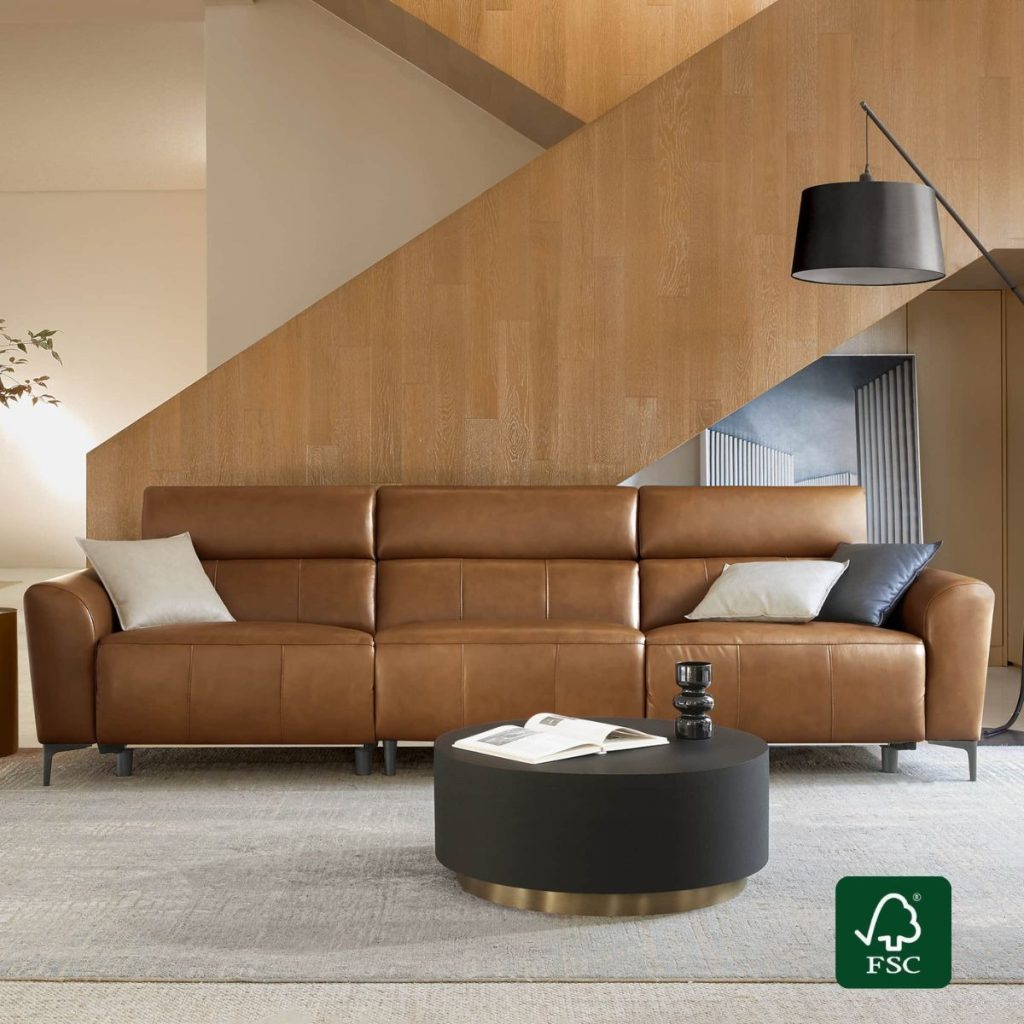
Traditional couches win on simplicity. Nothing to plug in, no buttons to memorize, no firmware to worry about. For minimalists and for households that dislike gadgetry, that is genuinely appealing. But the technology inside a modern reclining sofa is not the same category of gadget as, say, a novelty appliance. USB-C ports in the armrest keep phones charged during long evenings. Memory presets return the seat to a favorite angle instantly. Slow-stop footrests eliminate the alarming snap that older models were known for.
The distinction is between technology that adds clutter and technology that quietly removes friction. When motion features are engineered thoughtfully, they fade into the background, and users rarely think about them until they sit on a traditional couch again and notice what is missing. That is a strong indicator that the added complexity is pulling its weight rather than distracting from the core purpose of the piece. Simplicity is a virtue only when the simpler option performs its job as well. When it does not, restraint becomes just another word for missing features.
Cost Today versus Value Over Time
Traditional couches generally carry a lower sticker price than comparable reclining sofas, and for a straightforward comparison of upfront cost, they win. But that framing misses the bigger picture. A reclining sofa can replace an accent chair, a footstool, and potentially a home theater seat all in one purchase. It absorbs functions that would otherwise require separate pieces of furniture, and it does so without cluttering the room.
Add in the wellness argument, where posture-supportive seating can reduce the aches that develop from long stretches of poor sitting, and the value calculation starts to look different. A traditional couch is a piece of furniture. A reclining sofa is a piece of furniture plus a small daily investment in physical recovery. When buyers evaluate cost across the full life of the piece rather than at the checkout page alone, the two categories often land closer than expected. A slightly higher upfront number can quietly earn itself back through the auxiliary pieces it makes unnecessary.
Making the Choice with Clear Eyes
The honest answer to which style wins depends on how the room will be used. A rarely used formal parlor is a fine home for a beautifully tailored traditional couch. A living room where the household actually lives, watches, reads, and unwinds is almost always better served by a reclining sofa built with modern proportions and hidden mechanisms. The old tradeoff between comfort and style has softened, and the tradeoff between simplicity and function has become a matter of taste rather than compromise. Shoppers who visit a showroom, sit in both categories, and pay attention to how their body responds after ten minutes will usually find the answer becoming clear on its own.
Where the Debate Actually Lands
The reclining sofa and the traditional couch are no longer selling the same promise. One offers a fixed statement piece; the other offers an adaptive companion that shifts with the day. For households that want their living room to be genuinely lived in, the case for a well-designed reclining sofa has grown steadily stronger as motion engineering has caught up with aesthetics. Traditional couches still have a place in more formal or lightly used spaces, but as the default choice for the room where people actually spend their evenings, the reclining sofa has quietly moved to the front of the line. Choosing well means matching the piece to real habits rather than to a nostalgic idea of what a living room ought to look like.

